
How to Practice Sustainability in Everyday Life: A Practical Guide
You have probably heard the word “sustainability” countless times. It appears in news headlines, corporate announcements, and social media campaigns. But what does it actually mean for you, in your daily life?
Practicing sustainability is not about perfection. It is about making conscious choices that reduce your impact on the planet. And the good news is that small changes, when multiplied across millions of people, create significant positive change.
This guide will show you how to practice sustainability in everyday life. You will find practical, actionable tips that fit into your routine. No guilt. No overwhelm. Just simple steps toward a greener future.
What Does Sustainability Really Mean?
Let us start with a clear definition. The United Nations World Commission on Environment and Development defines sustainability as “development that meets the needs of the present without compromising the ability of future generations to meet their own needs.”
In simple terms, sustainability means living in a way that does not deplete resources or harm the environment for those who come after us. It involves understanding the impact of your lifestyle choices and finding better ways to reduce the damage caused to the environment.
Living sustainably is not about going back to the Stone Age. It is about being mindful. You can continue to live a comfortable, modern life while making choices that are kinder to the planet. The goal is to use less, waste less, and choose better alternatives whenever possible.
Why Your Individual Actions Matter
You might wonder if your efforts make any difference. After all, one person’s choices seem tiny compared to industrial emissions or corporate pollution. But here is the thing: individual actions create a ripple effect.
When you adopt sustainable habits, you inspire others. Friends, family, and colleagues notice. They may follow your example. This collective shift in behavior can influence industries and governments to prioritize sustainability.
Moreover, small changes add up. If everyone made a few simple swaps, the environmental benefits would be enormous. A study found that if people in the UK cut meat from their diet just one day a week, the emissions savings would be equivalent to taking millions of cars off the road.
So, do not underestimate your power. Your choices matter. This is where learning how to practice sustainability in everyday life truly begins—with the recognition that every action counts.
Simple Steps to Practice Sustainability at Home
Your home is the perfect place to start your sustainability journey. Many of the most impactful changes happen right where you live.
Reduce, Reuse, and Recycle
These three principles form the foundation of sustainable living. They are simple, effective, and anyone can incorporate them.
Reduce: Buy fewer products in general. Focus on items with less packaging. Before making a purchase, ask yourself: Do I really need this? What values am I supporting when I buy this? This shift from consumerism to conscious living is powerful.
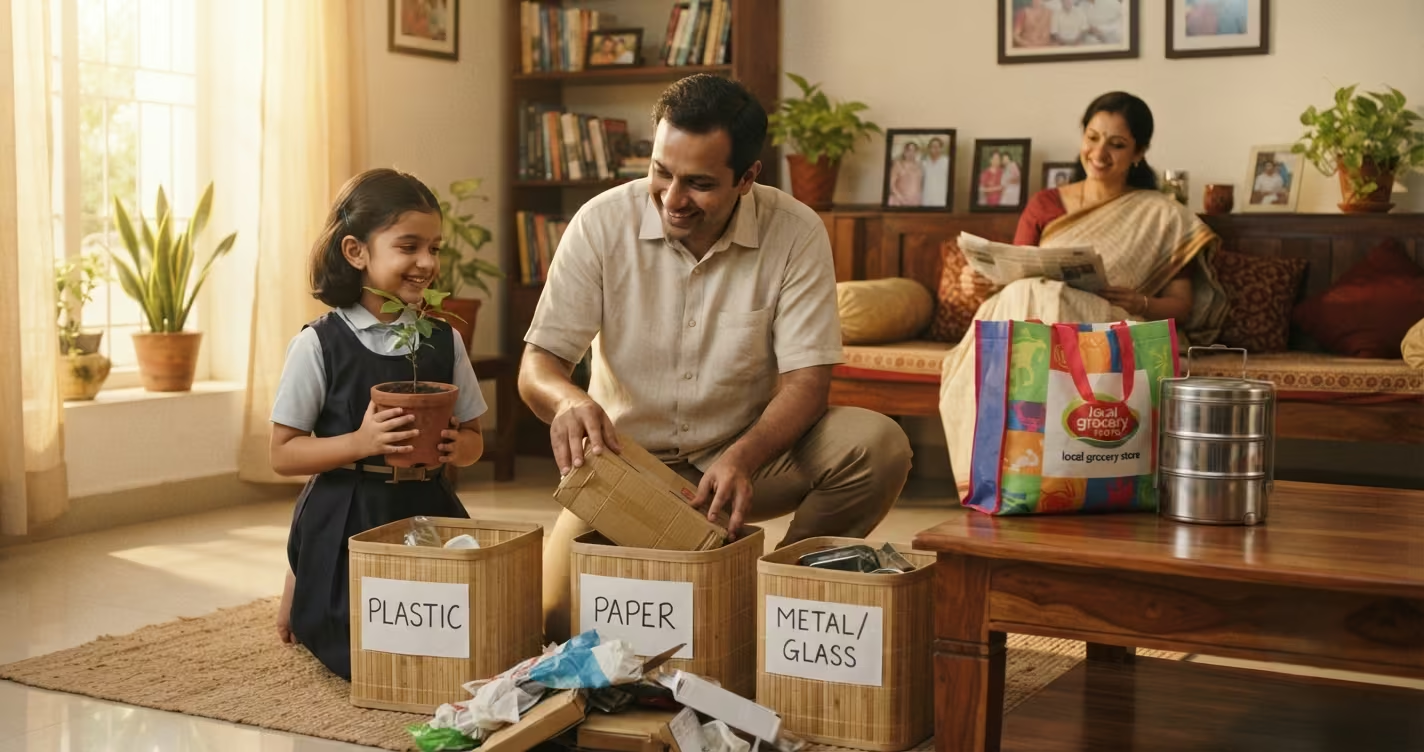
Reuse: Use items multiple times instead of throwing them away after a single use. Carry a reusable shopping bag. Use a lunchbox instead of buying packaged meals every day. Give things a second life. Organize or join clothing swaps. Rent instead of buying when possible.
Recycle: Turn old materials into something new. Follow your local recycling guidelines to ensure items go in the right bin. Recycle paper, plastic, glass, and metal whenever possible. And remember, old water bottles can become small pots for plants.
Save Energy at Home
Cutting energy use is good for both your wallet and the planet. Here are some simple ways to get started:
- Switch to LED bulbs: These use far less energy than traditional bulbs and last much longer.
- Unplug devices: Chargers and electronics draw power even when not in use. Unplug them to stop this “vampire” energy drain.
- Adjust your thermostat: Keep your air conditioner at 24 degrees Celsius. This saves energy without sacrificing comfort. Use draught excluders and heavy curtains to keep heat in during winter.
- Use energy-efficient appliances: Look for appliances with good energy ratings. Pressure cookers use less energy than traditional cookware.
- Take the stairs: Skip the elevator when possible. It saves energy and gives you some exercise.
Energy Savings Comparison Table
| Action | Energy Saved (Approx.) | Annual CO₂ Reduction |
|---|---|---|
| Switching to LED bulbs | 75% less energy per bulb | 50-100 kg per household |
| Unplugging idle devices | 5-10% of electricity bill | 30-50 kg |
| Setting AC at 24°C | 15-20% cooling cost | 100-150 kg |
| Using pressure cooker | 50-70% cooking energy | 20-40 kg |
Save Water
Water is a precious resource. Conserving it should be a priority for everyone.
- Fix leaks promptly: A dripping tap wastes a surprising amount of water over time.
- Take shorter showers: Showering for just one minute less saves around 10 liters of water. Turn off the tap while brushing your teeth.
- Install water-efficient fixtures: Use low-flow showerheads and toilet flush units. Consider a water meter to measure your consumption.
- Collect rainwater: Use it for watering plants and cleaning.
- Reuse water: Water from washed vegetables can be used to water plants. Water drained from an AC or RO can also be reused.
Water Savings Comparison
| Action | Water Saved (Per Day) | Annual Savings |
|---|---|---|
| Fixing a dripping tap | 15-20 liters | 5,500-7,300 liters |
| 1-minute shorter shower | 10-15 liters | 3,650-5,475 liters |
| Turning off tap while brushing | 5-10 liters | 1,825-3,650 liters |
| Rainwater harvesting (small system) | 50-100 liters (per rain) | 5,000-10,000 liters/year |
Compost Food Waste
Food waste does not have to end up in a landfill. Composting is a simple, eco-friendly solution.
Start a compost bin for your food scraps. Over time, these scraps break down and create nutrient-rich soil. This enriches your garden and reduces the amount of waste sent to landfills. If you do not have space for a compost bin, see if there is a community composting initiative in your area.
Sustainable Eating Habits
The food we eat has a direct impact on the environment. Some foods require more water, land, and energy to produce than others.
Eat More Plants, Less Meat
The production of meat has a significant impact on the environment. A 2021 study found that greenhouse gas emissions from animal-based foods were twice as high as plant-based ones.
You do not need to go fully vegan to make a difference. Even reducing your meat consumption a little helps. Try Meatless Mondays, or swap beef for chicken or fish. Eating more vegetables, fruits, and grains helps save resources and is healthier for your body.
Environmental Impact of Food Choices
| Food Item | CO₂ Emissions (per kg) | Water Footprint (liters per kg) | Land Use (m² per kg) |
|---|---|---|---|
| Beef | 60 kg | 15,415 | 200 |
| Lamb | 24 kg | 10,412 | 185 |
| Cheese | 21 kg | 5,060 | 110 |
| Chicken | 6 kg | 4,325 | 40 |
| Tofu | 3 kg | 2,200 | 10 |
| Lentils | 2 kg | 2,500 | 12 |
| Vegetables | 1 kg | 500 | 5 |
Buy Local and Seasonal
Choosing local and seasonal produce reduces “food miles”—the distance your food travels. The higher the food miles, the worse the carbon footprint. Buying from local farmers supports sustainable producers and strengthens the local economy.
Reduce Food Waste
Around 60% of food waste in the UK comes from homes, and almost three quarters of it is perfectly edible. Plan your meals in advance. Store leftovers properly. Get creative with near-expiring ingredients. Turning vegetable scraps into stock is a simple, valuable skill.
Grow Your Own Food
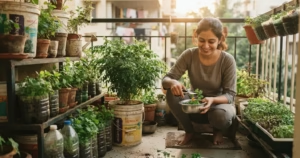
If you have space, try growing your own food. Even a small herb garden on a balcony or windowsill makes a difference. Growing your own food reduces reliance on agricultural production and cuts down on packaging waste. Plus, gardening is excellent for your mental and physical health.
Carry Your Own Reusables
Carry a reusable water bottle and coffee cup. Many cafes offer discounts for bringing your own cup. When eating out, order mindfully and carry containers to pack leftovers.
Mindful Shopping and Fashion Choices
Every purchase has an environmental footprint. Making conscious shopping decisions can significantly reduce waste.
Choose Quality Over Quantity
Fast fashion produces 10% of all carbon emissions. These products are often quickly mass-produced and sold at low prices. They use huge amounts of resources and are designed to be disposable.
Instead, build a capsule wardrobe with versatile pieces. Choose quality over quantity. Opt for clothing made from materials like cotton, hemp, khadi, or recycled fabrics.
Fast Fashion vs. Sustainable Fashion Comparison
| Aspect | Fast Fashion | Sustainable Fashion |
|---|---|---|
| Production Volume | High, mass-produced | Lower, often made-to-order |
| Material Quality | Synthetic, low-quality | Natural, organic, recycled |
| Lifespan | Months to 1-2 years | 5-10+ years |
| Cost per Wear | Low upfront, high per wear | Higher upfront, low per wear |
| Environmental Cost | High emissions, water use | Low emissions, eco-friendly |
| Labor Practices | Often exploitative | Fair wages, safe conditions |
Buy Secondhand
Thrift stores and online marketplaces offer affordable, eco-friendly alternatives to new purchases. Renting clothes for weddings and events is another great option.
Repair and Maintain
Learn basic repair skills. Sewing a button, fixing a tear, or repairing an electronic device keeps items in use for years longer. Look for local repair cafes, where volunteers can help you fix items.
Avoid Single-Use Plastics
A “full-blown revolution against single-use plastics” is needed. Plastic straws, cups, cutlery, water bottles, and grocery bags are major pollutants. They do not biodegrade but break down into microplastics that harm our environment and bodies.
Single-Use Plastic vs. Reusable Alternatives
| Item | Single-Use Plastic | Eco-Friendly Alternative |
|---|---|---|
| Water Bottle | Plastic bottle | Stainless steel or glass bottle |
| Shopping Bag | Plastic carry bag | Cloth or jute bag |
| Straws | Plastic straw | Bamboo or metal straw |
| Cutlery | Plastic spoons/forks | Bamboo or steel cutlery |
| Coffee Cup | Disposable cup | Reusable mug/tumbler |
| Food Storage | Plastic wrap | Beeswax wraps or containers |
Choose Eco-Friendly Products
Support brands that prioritize sustainability. Look for products made from recycled or biodegradable materials. Choose refillable options for cleaning products and toiletries to reduce plastic waste.
Sustainable Transportation
Transport is a major source of carbon emissions. But there are greener options available.
Walk, Cycle, or Use Public Transport
Choosing to walk, cycle, or take public transport instead of driving can dramatically reduce your environmental impact. If public transport is not an option, organize carpools with friends, colleagues, or neighbors.
Transportation Carbon Footprint Comparison
| Mode of Transport | CO₂ Emissions (per km) | Cost per km (Approx.) | Health Impact |
|---|---|---|---|
| Walking | 0 g | ₹0 | Excellent exercise |
| Cycling | 0 g | ₹0 | Good exercise |
| Public Bus | 30-50 g | ₹2-5 | Low impact |
| Metro/Train | 20-30 g | ₹3-8 | Low impact |
| Car (Petrol, 1 person) | 120-150 g | ₹10-15 | Sedentary |
| Car (Diesel, 1 person) | 130-160 g | ₹8-12 | Sedentary |
| Two-Wheeler | 40-60 g | ₹3-5 | Minimal exercise |
| Flight (Domestic) | 200-250 g | High | None |
Drive Smarter
If you must drive, there are ways to reduce your impact. Switch off your vehicle engine at red lights and railway crossings. Maintain optimum tire pressure to enhance fuel efficiency. Consider switching to an electric vehicle or hybrid.
Fly Less
Planes release a lot of carbon into the air. If possible, take a train or bus instead. If you must fly, choose direct flights and pack light to reduce emissions.
Reducing Digital Waste
Sustainability extends to the digital world too. Digital consumption has an environmental impact.
- Download instead of streaming: Downloading is more sustainable than streaming.
- Delete unused files and apps: This reduces unnecessary backups and energy usage.
- Extend the life of electronic devices: Repair or refurbish instead of replacing.
- Recycle e-waste properly: Discard gadgets in authorized e-recycling units.
- Use cloud storage instead of physical drives: This reduces the need for manufacturing new hardware.
Getting Involved in Your Community
Sustainability is not just about individual actions. It also involves community engagement.
- Join green clubs: Initiate or join green clubs in your residential area, school, or office.
- Volunteer: Participate in community cleanups, tree planting events, or repair cafes.
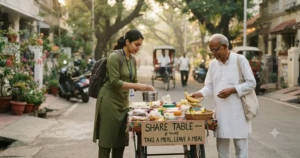
- Spread awareness: Talk to friends and family about what you have learned. Share your journey on social media. Your efforts can inspire others to take action.
- Support eco-friendly businesses: Choose their products and help promote their efforts.
Frequently Asked Questions About Sustainable Living
What is the easiest way to start living sustainably?
Start small. Pick one habit and focus on it. Carry a reusable water bottle. Switch to LED bulbs. Eat one plant-based meal a week. Once that becomes routine, add another change. Small, consistent steps create lasting habits.
Does individual action really make a difference for the environment?
Absolutely. While individual actions seem small, they create a ripple effect. When millions of people make sustainable choices, the collective impact is enormous. Your actions also inspire others, creating a culture of sustainability that influences industries and policies.
What are the most impactful sustainable actions I can take?
Research shows that the most impactful actions include: reducing air travel, switching to a plant-rich diet, using renewable energy, reducing food waste, and choosing active transportation (walking, cycling, public transport). These actions address the largest sources of personal carbon emissions.
Is sustainable living more expensive?
Not necessarily. Many sustainable practices save money in the long run. Reducing food waste, using less energy, and avoiding single-use plastics all lower your expenses. Buying quality items that last longer may have a higher upfront cost but lower cost per use over time.
What is the biggest barrier to sustainable living?
Convenience and habit are the biggest barriers. Sustainable choices often require planning and conscious effort. Over time, however, these new habits become automatic. Start with small changes and be patient with yourself.
How can I reduce food waste at home?
Plan your meals weekly. Buy only what you need. Store food properly to extend shelf life. Use leftovers creatively. Compost unavoidable food scraps. These simple habits can cut your household food waste by half.
What is “fast fashion” and why is it harmful?
Fast fashion refers to cheap, mass-produced clothing designed to be worn only a few times before falling apart. It contributes 10% of global carbon emissions, uses vast amounts of water, and creates massive textile waste. Choosing quality, durable clothing and buying secondhand are better alternatives.
Can I practice sustainability without changing my lifestyle completely?
Yes. Sustainability is about progress, not perfection. You do not need to overhaul your life overnight. Start with a few changes that fit your routine. Every small step matters. Over time, these steps add up to significant change.
Conclusion
As residents of planet Earth, we all play a role in mitigating climate change. Practicing sustainability in everyday life is about making mindful choices. It is about using less, wasting less, and choosing better alternatives.
You do not need to change everything overnight. Start with one or two small changes. Bring a reusable bag to the store. Turn off lights when leaving a room. Eat one plant-based meal a week. These small steps add up.
Every choice we make impacts others—other people, other animals, and the environment. Choose to make the smallest footprint possible. You will be making a choice to live a greener, healthier, and more sustainable life.
Let’s Talk Sustainability
Have questions about sustainable living? Want to share your own tips? We would love to hear from you.
Connect with us on WhatsApp for a friendly conversation about how you can make a difference. Our team is here to help.