
5 Ways to Join the Food Share Movement Today
Something remarkable is happening across India. People are waking up to a simple truth: the food we waste could feed someone who is hungry. This realisation is fueling a quiet revolution—the food share movement.
Every day, tonnes of perfectly edible food are discarded. Restaurants throw away surplus meals. Weddings end with untouched buffets. Households toss leftovers and overripe produce. Meanwhile, millions go hungry. The food share movement bridges this gap. It connects surplus with need, waste with want.
The best part? You can join today. This guide outlines five practical ways to become part of this movement, whether you have five minutes or five hours to give.
What is the Food Share Movement?
The food share movement is a collective effort to rescue surplus food and redistribute it to those who need it. It encompasses food banks, community kitchens, food rescue apps, and individual acts of sharing.
India’s food sharing ecosystem has grown remarkably. The Indian Food Sharing Alliance (IFSA) , an initiative by the Food Safety and Standards Authority of India (FSSAI), connects food donors, distribution organisations, and beneficiaries on a single platform. Over 100 organisations have joined IFSA since its launch, and 30+ mobile food collection vans have been deployed to collect and distribute surplus food .
The movement is driven by a simple belief: no edible food should go to waste while people go hungry. This belief is backed by law. The FSSAI’s Food Safety and Standards (Recovery and Distribution of Surplus Food) Regulations, 2019 provide a clear framework for safe food donation, making it easier for businesses and individuals to share surplus food responsibly.
The numbers tell the story. More than 80 million tonnes of food is wasted in India annually, yet millions suffer from hunger. The food share movement aims to close this gap.
Why You Should Join the Food Share Movement
Joining the food share movement is about more than doing good. It is about being part of a solution that addresses multiple challenges at once.
Fight Hunger
India ranked 105th out of 127 countries on the Global Hunger Index 2024, with 16.3% of the population undernourished. Every meal shared is a meal that reaches someone in need.
Reduce Waste
Food waste in India is staggering. The average Indian household wastes about 50 kg of food per person per year. Wasting less means conserving resources—water, energy, land, and labour—that went into producing that food.
Protect the Environment
Food waste in landfills releases methane, a greenhouse gas 80 times more potent than carbon dioxide over 20 years. Reducing waste is one of the most effective climate actions available.
Build Community
Sharing food creates connections. It builds trust between neighbours, strengthens social bonds, and fosters a sense of collective responsibility.
Save Money
Reducing food waste at home directly saves money. Plan meals better, store food properly, and use leftovers creatively.
5 Ways to Join the Food Share Movement Today
You do not need to start a nonprofit to make a difference. Here are five practical ways to join the movement, each suited to different levels of time and resources.
1. Share Your Surplus Food with Neighbours
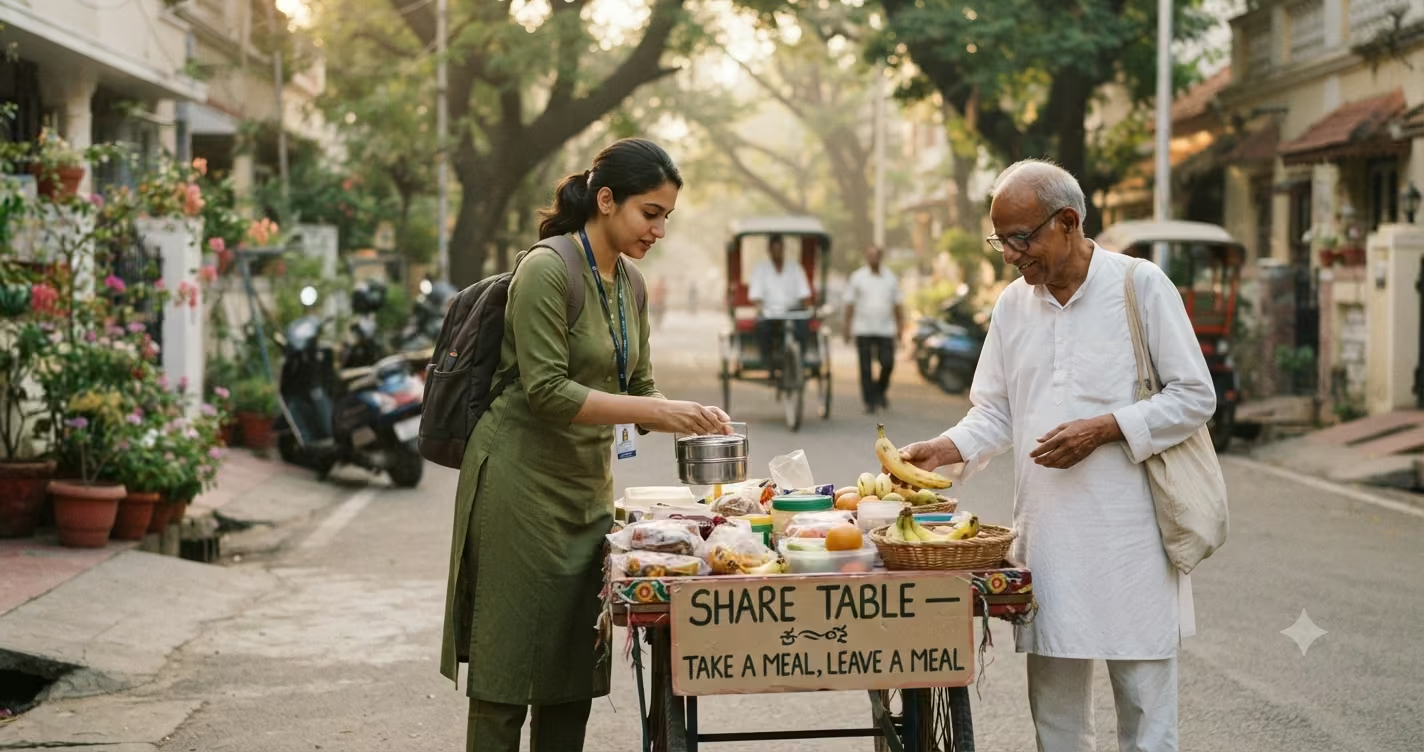
The simplest way to join the food share movement is to start right where you are—in your own home and neighbourhood.
How to Begin
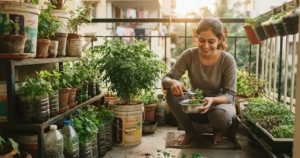
- Plan for Surplus: If you know you will have extra food—from a party, a cooking experiment, or a bumper harvest from your kitchen garden—decide in advance who might need it.
- Use a Shared Group: Many residential communities have WhatsApp groups. Offer surplus food there first. A simple message like “I have extra dal and rice, anyone want some?” can find a taker within minutes.
- Set Up a Community Fridge: Some neighbourhoods have installed community refrigerators where residents can leave surplus food and others can take what they need. If your community doesn’t have one, propose it at your next residents’ meeting.
- Use the Freecycle Model: The Freecycle Network connects people with things to give away with those who need them. Food can be shared through similar local networks.
Why It Works
Sharing with neighbours builds trust and community. It normalises the idea that food is not something to be wasted but something to be shared. And it is incredibly easy—no logistics, no paperwork, just a generous spirit.
A Real Example
Reshine Organisation’s Parivartan initiative provides food support to families in slum areas, easing financial strain and improving health. This model demonstrates how food sharing can be structured for maximum impact.
2. Partner with a Local Food Bank or Shelter
If you have regular surplus—from a restaurant, hotel, catering business, or even a large household—partnering with a food bank or shelter is a structured way to share.
How to Get Started
- Identify a Partner: Find a local food bank, shelter, community kitchen, or NGO that accepts surplus food. Organisations like No Food Waste operate in multiple cities and are always looking for food donors.
- Understand Requirements: Ask about their accepted items, pickup schedules, and safety protocols.
- Follow FSSAI Guidelines: Under the Surplus Food Regulations, 2019, donors must donate only safe food, maintain proper temperature and hygiene, and hand over food within a reasonable time before expiry.
- Sign an MOU: A Memorandum of Understanding clarifies roles, responsibilities, and liability protection.
Real-World Inspiration
The Hyderabad chapter of No Food Waste collects surplus food from hotels, marriage halls, and corporate cafeterias. With four food collection vans operating across the city, it feeds between 1,500 and 1,800 people daily. The organisation has mapped around 550 to 600 hunger spots in Hyderabad and Secunderabad—from hospitals and bus stations to railway platforms and old-age homes. Since its inception, the chapter has provided over 3.5 lakh meals.
3. Use a Food Rescue App or Platform
Technology has made food sharing easier than ever. Several apps and platforms connect food donors with those who need it.
Available Platforms in India
- No Food Waste App: This app allows hotels, restaurants, and individuals to notify volunteers about surplus food, who then collect and distribute it.
- Saveful 2.0: Developed by Centurion University, this AI-integrated app helps households repurpose kitchen leftovers. Users enter ingredients they have and discover which dishes they can prepare. It has helped over 41,000 Australian users save 63% more food than average households and has been localised for India.
- Feeding India (Zomato): This initiative partners with restaurants to collect surplus food and distribute it to NGOs. Restaurants can sign up to donate surplus food, and Feeding India volunteers handle collection and delivery.
- Robin Hood Army: This volunteer-driven organisation collects surplus food from restaurants, weddings, and events and distributes it to the hungry. It operates in 406 cities globally and has served over 153 million meals.
How to Use These Platforms
- As a Donor: If you have surplus food, list it on the app. Volunteers will collect and distribute it.
- As a Volunteer: If you have time, sign up to pick up and deliver food.
- As a Recipient: If you are connected to a community in need, use these platforms to request food.
A Real Example
In Mumbai, Shakti Yadav runs ‘Buy Food with Plastic’, an initiative that provides hot meals in exchange for plastic bottles. Residents receive a meal for 20 plastic bottles. Since its inception, the initiative has delivered more than 42,000 meals, supported 4,500 people, and educated over 1,000 students on sustainability. This model shows how food sharing can integrate environmental action.
4. Volunteer with a Food Rescue Organisation
If you want to be hands-on, volunteering is one of the most rewarding ways to join the food share movement.
Ways to Volunteer
- Food Collection: Help collect surplus food from restaurants, events, and businesses.
- Sorting and Packing: Sort food items and pack them for distribution.
- Distribution: Help distribute food at shelters, hospitals, and community centers.
- Driving: If you have a vehicle, volunteer to transport food.
- Awareness Campaigns: Help educate others about food waste and sharing.
Where to Volunteer
- No Food Waste: Operates in Tamil Nadu, Andhra Pradesh, and Telangana with 26 chapters. Volunteers are divided into zones, each led by a zonal head.
- Robin Hood Army: A zero-funds volunteer organisation that collects and distributes surplus food.
- Feeding India: Zomato’s initiative that connects restaurants with NGOs.
- Local Shelters and NGOs: Many shelters welcome volunteers to help with meal preparation and distribution.
The Impact of Volunteering
Volunteering with food rescue organisations not only helps feed people but also builds skills, connections, and a sense of purpose. No Food Waste began in 2014 with two volunteers and two shopping bags. Today, it feeds thousands daily.
5. Start a Food Sharing Initiative in Your Community
If you see a need and want to create lasting change, starting your own food sharing initiative is a powerful step.
Steps to Start
- Assess the Need: Identify hunger spots in your area—hospitals, slums, bus stations, railway platforms, old-age homes.
- Identify Food Sources: Reach out to hotels, restaurants, wedding venues, and corporate cafeterias that have surplus food.
- Build a Team: Recruit volunteers from colleges, corporate CSR programs, and community groups.
- Establish Safety Protocols: Follow FSSAI guidelines. Ensure food is safe, stored properly, and distributed within a reasonable time.
- Partner with Recipient Organisations: Work with shelters, hospitals, and community kitchens for distribution.
- Use Technology: Consider using apps or social media to coordinate collection and distribution.
Real-World Inspiration
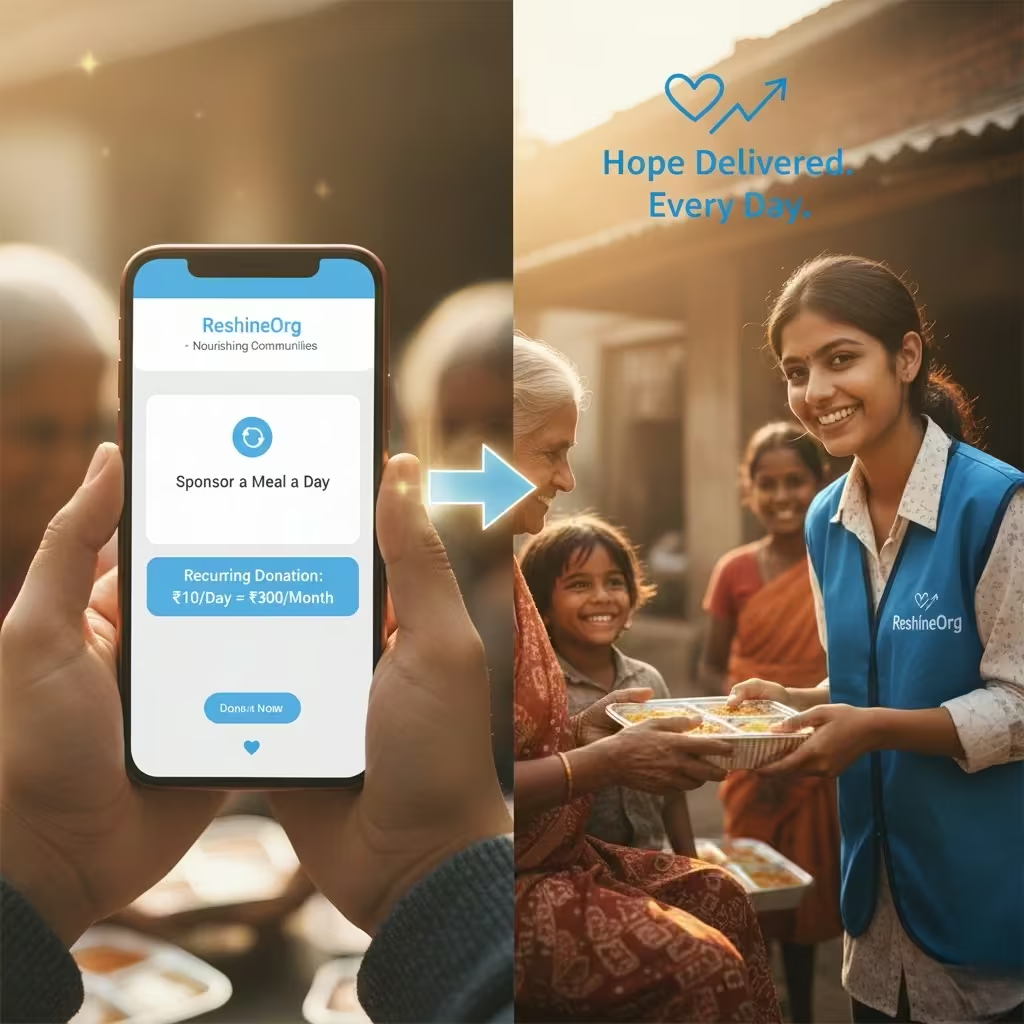
- Reshine Organisation: Reshine’s Annadasoha initiative provides 600 meals daily to patients and families at BRIMS Government Hospital in Bidar, Karnataka. Since 2017, it has served over 660,000 meals and saved families an estimated ₹6.6 crore in food expenses.
- No Food Waste: Started with two shopping bags in Coimbatore. Now operates in 26 chapters across three states.
- Plenti: Four Kerala youngsters launched Plenti, a “food rescue” platform connecting customers with restaurants, bakeries, and supermarkets. Within five months, it crossed 20,000 orders and saved nearly 60 tonnes of food from going to waste.
The Ripple Effect
When you start a food sharing initiative, you do more than feed people. You raise awareness, build community, and inspire others to act. Every meal shared is a seed planted for a more equitable future.
Frequently Asked Questions
How can I donate surplus food safely?
Follow FSSAI guidelines: donate only safe food, maintain proper temperature and hygiene, hand over food within a reasonable time before expiry, and provide labelling information for prepared foods. Partner with a registered food rescue organisation for safe distribution.
Is there an app for food sharing in India?
Yes. Platforms like No Food Waste, Saveful 2.0, Feeding India (Zomato), and Robin Hood Army connect food donors with volunteers who collect and distribute surplus food.
Can I get tax benefits for donating food?
Under Section 80G of the Income Tax Act, monetary donations to registered NGOs are eligible for deduction. However, in-kind donations like food do not qualify for tax deduction. Cash contributions to qualified organizations do.
What food can I not donate?
Do not donate expired food, food with damaged packaging, home-canned items, or food showing signs of spoilage. For prepared food, ensure it has been maintained at safe temperatures.
How do I start a food sharing initiative in my community?
Assess the need, identify food sources, build a volunteer team, establish safety protocols, partner with recipient organisations, and use technology to coordinate. Start small and scale as you learn.
Conclusion
The food share movement is growing, and you can be part of it. Whether you share surplus with a neighbour, partner with a food bank, use a rescue app, volunteer with an organisation, or start your own initiative, every action counts.
The need is urgent. The solutions are within reach. The food exists. The people are waiting. You have the power to connect them.
Join the food share movement today. Your first act of sharing could be the meal that changes someone’s life.
Let’s Talk About the Food Share Movement
Have questions about joining the food share movement or starting your own initiative? We would love to hear from you.
Connect with us on WhatsApp for a friendly conversation about how you can make a difference. Our team is here to help.