
- How to Support Humanitarian Relief Efforts Today: A Complete Guide
- What is Humanitarian Relief?
- Why Humanitarian Relief Matters in India
- How Reshine Org Supports Humanitarian Relief
- How to Choose the Right Humanitarian Relief Organization
- 5 Ways You Can Support Humanitarian Relief Today
- Real-World Examples of Humanitarian Relief
- Frequently Asked Questions
- Conclusion
How to Support Humanitarian Relief Efforts Today: A Complete Guide
Crises do not wait for convenient timing. Floods displace families overnight. Earthquakes flatten homes in seconds. Pandemics disrupt food systems for months. In these moments, humanitarian relief becomes the difference between survival and despair.
India knows this reality intimately. From the devastating floods in Kerala, Assam, and Uttarakhand to the COVID-19 crisis that overwhelmed hospitals and food supplies, the country has faced repeated humanitarian emergencies. Each crisis reveals both the vulnerability of communities and the power of collective response.
At Reshine Organisation, humanitarian relief is not a seasonal activity. It is a core part of our mission. During crises, we have served over 1.2 million meals to affected families. We have provided food for over 2.7 lakh people daily in partnership with more than 100 local Halal vendors. This experience has taught us that effective relief requires planning, partnership, and compassion.
This guide will show you how to support humanitarian relief efforts today. You will learn what relief work involves, how to choose the right organizations, and practical steps you can take to make a difference.
What is Humanitarian Relief?
Humanitarian relief is the immediate assistance provided to people affected by crises. These crises can be natural disasters (floods, earthquakes, cyclones, droughts) or man-made emergencies (conflict, displacement, pandemics).
Relief work focuses on meeting basic human needs:
- Food and nutrition: Ensuring people have enough to eat.
- Water and sanitation: Providing clean water and safe hygiene facilities.
- Shelter: Offering temporary housing and protection from the elements.
- Healthcare: Delivering medical care and preventing disease outbreaks.
- Protection: Safeguarding vulnerable groups, especially women and children.
Humanitarian relief is guided by principles of humanity, neutrality, impartiality, and independence. The goal is to save lives, alleviate suffering, and maintain human dignity.
Why Humanitarian Relief Matters in India
India is one of the most disaster-prone countries in the world. According to the National Disaster Management Authority, India faces:
- Floods: Affecting millions every year, especially in the Ganges-Brahmaputra plains and coastal regions.
- Cyclones: Striking the eastern and western coasts with increasing frequency.
- Earthquakes: Seismic zones cover large parts of the country.
- Droughts: Recurring in arid and semi-arid regions.
- Landslides: Common in hilly areas like Uttarakhand and Himachal Pradesh.
The climate crisis is intensifying these disasters. The State of Food Security and Nutrition in the World 2025 report highlights how climate variability and extremes are key drivers of hunger and malnutrition. When floods destroy crops or droughts wither harvests, food security collapses.
Humanitarian relief addresses the immediate needs of affected communities. But it also builds resilience for the future. Every meal provided, every shelter erected, every life saved is a step toward recovery.
How Reshine Org Supports Humanitarian Relief
At Reshine Organisation, we respond to crises with speed, efficiency, and compassion. Our model is built on partnerships and local knowledge.
Our Crisis Response Model
1. Rapid Assessment
When a crisis hits, our team conducts on-site inspections to assess needs. We identify the most vulnerable families, the scale of displacement, and the availability of local resources.
2. Local Vendor Partnerships
We partner with over 100 local Halal vendors to prepare and distribute meals. This model supports small businesses while feeding people in need. It also ensures cultural appropriateness and local acceptability.
3. Large-Scale Meal Distribution
During peak crisis response, we have provided food for over 2.7 lakh people daily. We prioritize vulnerable groups: children, pregnant women, the elderly, and those with disabilities.
4. Safe Food Handling
We follow strict food safety protocols. Our team inspects food at collection points, maintains cold chain logistics where needed, and ensures meals reach beneficiaries within safe time-frames.
5. Transparent Reporting
We document our crisis response in detail. We track the number of meals served, the number of people reached, and the geographic areas covered. This transparency builds donor trust.
Our Impact
| Crisis Response | Impact |
|---|---|
| Total meals served during crises | Over 1.2 million |
| Daily meal capacity during peak response | 2.7 lakh people |
| Local vendor partners | Over 100 |
How to Choose the Right Humanitarian Relief Organization
Not all organizations are equally effective. Before you donate, do your research. A trustworthy organization will be transparent, accountable, and effective.
Key Criteria to Evaluate
1. Financial Transparency
- Does the organization publish annual reports and audited financial statements?
- Can you see a clear breakdown of how funds are used?
- What percentage of donations goes directly to programs versus administration?
2. Impact Evidence
- Does the organization measure and report outcomes?
- Do they share stories and data from their relief work?
- Can they provide specific examples of impact?
3. Local Presence
- Does the organization have a presence in the affected area?
- Do they partner with local vendors and community leaders?
- Are they familiar with local needs and culture?
4. Speed and Efficiency
- How quickly can they respond to a crisis?
- Do they have pre-existing partnerships and supply chains?
- Can they scale operations rapidly?
5. Legal Compliance
- Does the organization have valid 80G certification?
- Are they registered under the Societies Registration Act or as a Trust?
- Do they comply with FSSAI regulations for food distribution?
Red Flags to Watch For
- Vague financial: No clear breakdown of expenses.
- High overheads: A large portion of donations going to administration.
- No local presence: Operating from a distance without community connections.
- High-pressure tactics: Guilt-based or aggressive fundraising.
- No impact data: Inability to demonstrate results.
5 Ways You Can Support Humanitarian Relief Today
Whether you have five minutes or five hours, you can contribute to humanitarian relief. Here are practical ways to get involved.
1. Donate Financially
Financial donations are the most flexible and effective form of support. They allow organizations to purchase what is needed most, when it is needed most.
How to Donate Effectively
- Choose a trusted organization: Look for transparency and impact evidence.
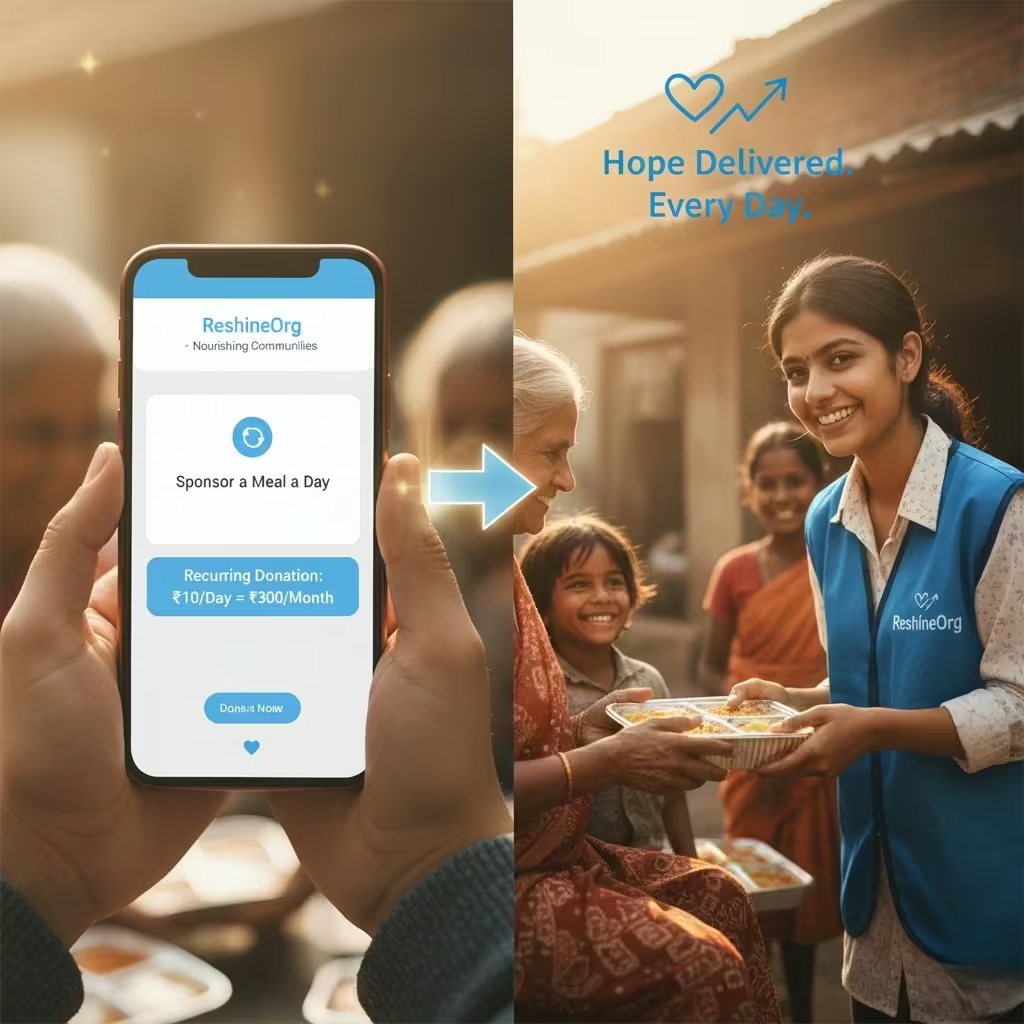
- Make a recurring donation: Monthly giving provides stable funding for ongoing relief.
- Give to specific campaigns: Many organizations run campaigns for specific crises.
- Claim your tax benefits: Ensure you receive an 80G receipt for your donation.
Why Financial Donations Matter
In-kind donations (food, clothes, etc.) are valuable, but cash allows organizations to respond flexibly. It avoids waste (unwanted items), reduces logistics costs, and supports local economies.
2. Volunteer Your Time
Volunteers are the backbone of humanitarian relief. They collect food, pack meals, distribute supplies, and support affected families.
Ways to Volunteer
- Food collection and packing: Help collect surplus food and pack meals for distribution.
- Distribution: Assist in distributing food, water, and supplies.
- Logistics: Help with transport, storage, and inventory management.
- Awareness: Spread the word about relief efforts on social media.
- Fundraising: Organize events or campaigns to raise funds.
At Reshine
We welcome volunteers for food rescue, meal distribution, and awareness campaigns. Our youth-led model means young people are not just volunteers—they are leaders.
3. Donate Surplus Food
If you run a business, host events, or have surplus food at home, donate it to a food rescue organization.
What to Donate
- Packaged, unexpired food items
- Fresh produce (if properly stored)
- Cooked food (if maintained at safe temperatures)
How It Helps
During crises, food is the most immediate need. Your surplus food can become a meal for a family that has lost everything.
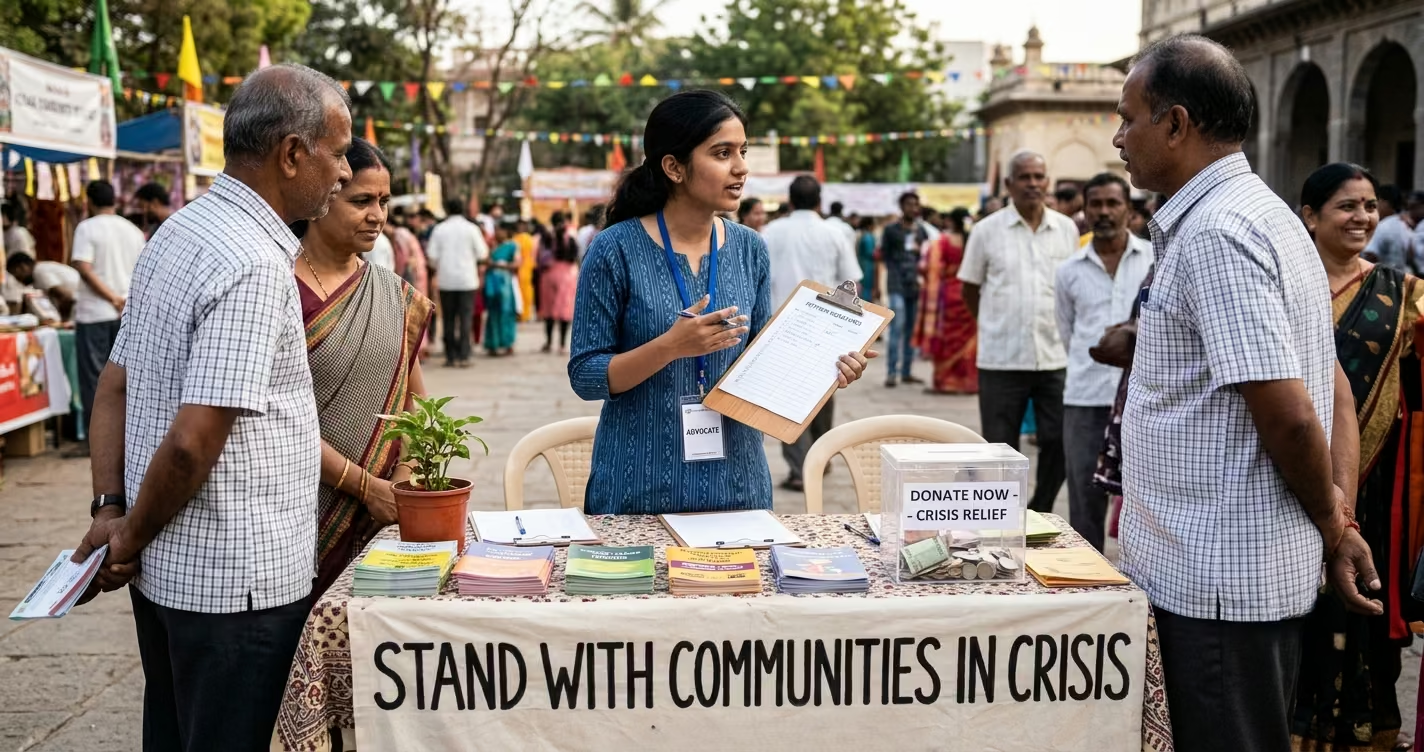
4. Advocate for Policy Change
Advocacy amplifies your impact. By speaking up for policies that support humanitarian relief, you contribute to systemic change.
Advocacy Actions
- Contact your MP: Write letters or emails about disaster preparedness and relief funding.
- Support campaigns: Sign petitions for stronger disaster response policies.
- Share information: Use social media to raise awareness about crises.
- Attend events: Participate in awareness rallies and discussions.
5. Spread Awareness
Awareness is the first step toward action. By sharing information about humanitarian crises and relief efforts, you inspire others to get involved.
How to Spread Awareness
- Share on social media: Post about ongoing crises and how people can help.
- Talk to friends and family: Discuss the importance of humanitarian relief.
- Organize events: Host film screenings, discussions, or fundraising events.
- Engage schools and workplaces: Encourage them to support relief efforts.
Real-World Examples of Humanitarian Relief
Reshine’s Crisis Response
Reshine Organisation has served over 1.2 million meals during crises. We have provided food for over 2.7 lakh people daily in partnership with more than 100 local Halal vendors. Our model demonstrates that local partnerships and rapid response can save lives.
No Food Waste
Founded in Coimbatore in 2014, No Food Waste operates across Tamil Nadu, Andhra Pradesh, and Telangana with 26 chapters. During crises, they mobilize volunteers to collect and distribute food.
Akshaya Patra
During the COVID-19 pandemic, Akshaya Patra served millions of meals to affected families. Their centralized kitchens and logistics network enabled rapid response.
Robin Hood Army
This zero-funds volunteer organization has served over 153 million meals across 406 cities globally. Their decentralized model allows rapid response to local needs.
Frequently Asked Questions
What is humanitarian relief?
Humanitarian relief is the immediate assistance provided to people affected by crises, including natural disasters, conflict, or pandemics. It focuses on meeting basic needs: food, water, shelter, healthcare, and protection.
How can I support humanitarian relief?
You can support relief efforts by donating financially, volunteering your time, donating surplus food, advocating for policy change, and spreading awareness.
How do I choose the right organization to support?
Look for transparency, impact evidence, local presence, speed and efficiency, and legal compliance. Avoid organizations with vague financial, high overheads, or high-pressure tactics.
Can I get tax benefits for donations to relief efforts?
Yes. Under Section 80G of the Income Tax Act, monetary donations to registered NGOs are eligible for deduction. Ensure you receive a valid 80G receipt.
What is Reshine’s approach to crisis response?
Reshine conducts rapid assessments, partners with local vendors, distributes meals at scale, follows strict food safety protocols, and reports transparently. We have served over 1.2 million meals during crises.
How can I volunteer for relief work?
Reach out to local NGOs and offer your time. Opportunities include food collection, packing, distribution, logistics, awareness, and fundraising. At Reshine, we welcome volunteers for food rescue and distribution.
Conclusion
Humanitarian relief is about saving lives and restoring dignity. It is about showing up when communities need us most.
You can be part of this work. Donate. Volunteer. Advocate. Spread awareness. Every action counts. Every contribution matters.
At Reshine Organisation, we are committed to providing relief with speed, efficiency, and compassion. Join us in this mission. Together, we can bring hope to communities in crisis.
Let’s Talk About Humanitarian Relief
Have questions about supporting humanitarian relief efforts? We would love to hear from you.
Connect with us on WhatsApp for a friendly conversation about how you can make a difference. Our team is here to help.