

- How Great Leadership Transforms Nonprofits: A Complete Guide
- Why Nonprofit Leadership Matters
- What Makes Nonprofit Leadership Different?
- Key Qualities of Great Nonprofit Leaders
- The Challenges Nonprofit Leaders Face
- How Reshine Demonstrates Leadership
- Building Leadership Capacity in Nonprofits
- The Impact of Great Leadership
- Frequently Asked Questions
- What makes nonprofit leadership different from business leadership?
- What are the key qualities of great nonprofit leaders?
- How does Reshine demonstrate leadership?
- How can nonprofits build leadership capacity?
- What challenges do nonprofit leaders face?
- Why is leadership development important for nonprofits?
- Conclusion
How Great Leadership Transforms Nonprofits: A Complete Guide
Nonprofits run on passion. But passion alone is not enough. The most effective nonprofits are led by people who combine heart with strategic thinking, operational discipline, and the ability to inspire others. Leadership in the nonprofit sector is different from leadership in business.
Nonprofit leaders must navigate limited resources, complex stakeholder relationships, and the constant tension between mission and money. They must motivate volunteers who are not paid. They must build trust with donors, beneficiaries, communities, and regulators. They must do all this while staying true to the organisation’s core values.
At Reshine Organisation, we have seen firsthand how leadership shapes outcomes. Our youth-led model has been tested through crisis response, daily operations, and community engagement. We have learned that great leadership is not about having all the answers. It is about creating the conditions for others to succeed.
This guide explores how great leadership transforms nonprofits. We will look at the qualities of effective nonprofit leaders, the challenges they face, and practical strategies for building leadership capacity.
Why Nonprofit Leadership Matters
Nonprofit leadership matters more than ever. The sector is growing, but so are the challenges. According to the 2024/2025 Global Food-banking Network report, food banks and community organisations now serve nearly 40 million people annually. The demand for services is rising. Funding is unpredictable. Regulatory requirements are increasing.
In this environment, leadership is the difference between thriving and merely surviving. Great leaders help nonprofits:
- Stay focused on mission: Without strong leadership, organisations drift from their core purpose.
- Use resources efficiently: Nonprofits must do more with less. Leaders ensure every rupee counts.
- Build trust with stakeholders: Donors, beneficiaries, and communities need to trust the organisation.
- Adapt to change: Crises, policy shifts, and new needs require nimble leadership.
- Develop future leaders: The sector needs a pipeline of capable leaders.
At Reshine, we have seen how leadership transforms outcomes. Our volunteers are not just followers. They are leaders in their own right. Our team has been recognized as a “Public Hero” by Public TV and has received endorsements from Justice Santosh Hegde and other leaders. This recognition reflects the leadership culture we have built.
What Makes Nonprofit Leadership Different?
Nonprofit leadership is not the same as business leadership. There are important differences that shape how leaders operate.
1. Multiple Bottom Lines
Businesses measure success primarily through profit. Nonprofits measure success through multiple bottom lines: social impact, community trust, financial sustainability, and mission alignment.
This complexity requires leaders who can balance competing demands. They must ensure the organisation is financially viable while staying true to its mission. They must measure impact while managing operations efficiently. They must satisfy donors while remaining accountable to beneficiaries.
2. Stakeholder Complexity
Nonprofits serve multiple stakeholders: beneficiaries, donors, volunteers, employees, board members, regulators, and the broader community. Each has different expectations and priorities.
Leaders must navigate these relationships carefully. They must build trust with donors while being accountable to beneficiaries. They must engage volunteers while maintaining professional standards. They must satisfy regulators while retaining flexibility.
3. Volunteer Management
Nonprofits rely heavily on volunteers. Unlike employees, volunteers cannot be paid or managed through traditional incentives. Leaders must inspire volunteers through purpose, recognition, and meaningful engagement.
At Reshine, our youth-led model demonstrates the power of volunteer leadership. Young people manage food rescue operations, coordinate with donors, and distribute meals daily. They are not paid. They are motivated by a shared commitment to the mission.
4. Resource Constraints
Nonprofits rarely have the resources they need. They must be creative, efficient, and resilient.
Leaders must:
- Maximize every rupee.
- Prioritize ruthlessly.
- Build partnerships that stretch resources.
- Inspire donors to give.
5. Governance and Accountability
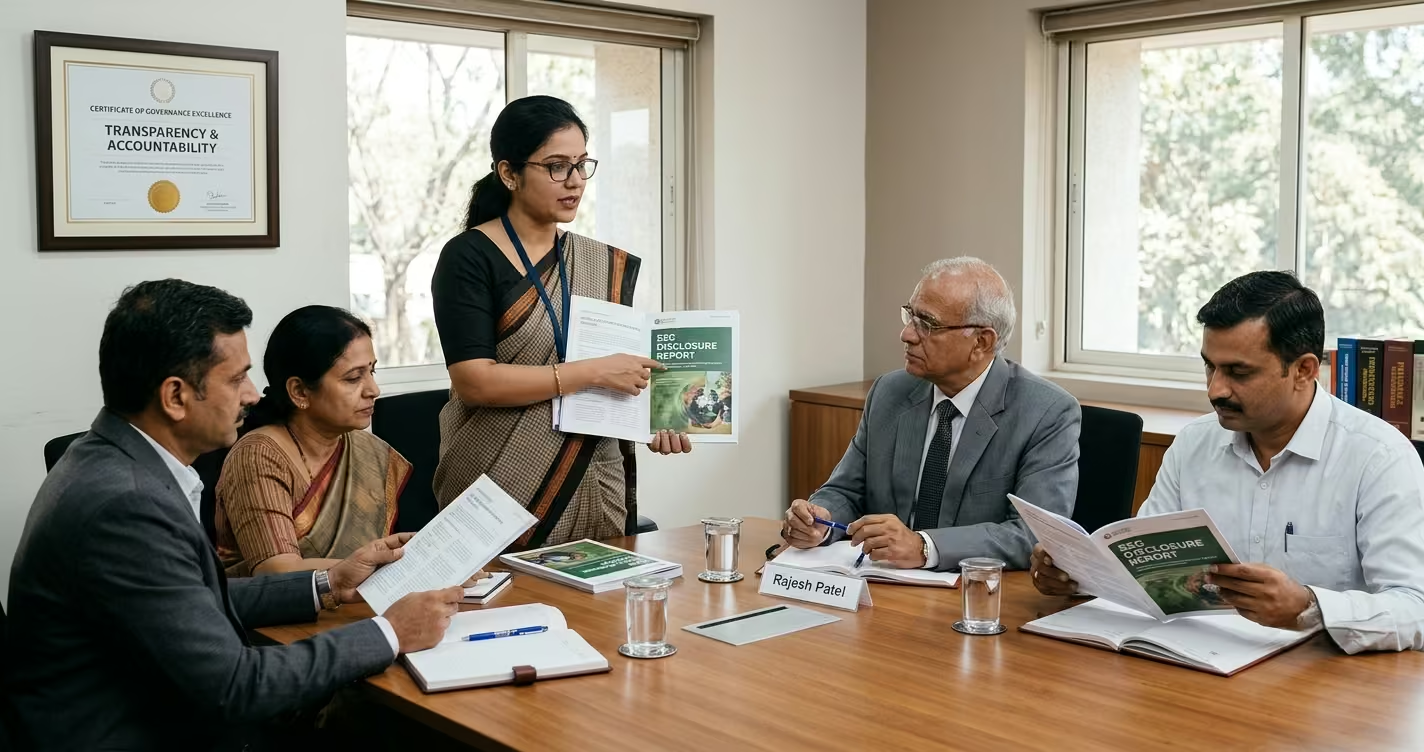
Nonprofits are accountable to boards, regulators, and the public. Leaders must ensure transparency, compliance, and good governance.
Key Qualities of Great Nonprofit Leaders
What distinguishes great nonprofit leaders from mediocre ones? Here are the qualities that matter most.
1. Vision and Purpose
Great leaders have a clear vision of what they want to achieve. They understand the problem they are solving. They can articulate this vision in a way that inspires others.
How Vision Transforms Nonprofits
- Provides direction for strategy and decisions.
- Motivates staff and volunteers.
- Attracts donors and partners.
- Helps navigate challenges.
2. Integrity and Transparency
Trust is the currency of the nonprofit sector. Great leaders are transparent, honest, and ethical. They do what they say they will do. They share both successes and failures.
How Integrity Transforms Nonprofits
- Builds donor confidence.
- Attracts high-quality staff and volunteers.
- Strengthens relationships with communities.
- Protects the organisation’s reputation.
At Reshine, we are committed to transparency. We publish impact reports, share financial information, and welcome scrutiny. This transparency is why our donors trust us.
3. Empathy and Compassion
Nonprofit leaders work with people in difficult circumstances. They need empathy. They need to understand the needs and experiences of beneficiaries. They need to treat people with dignity and respect.
How Empathy Transforms Nonprofits
- Ensures services are designed around real needs.
- Builds trust with communities.
- Motivates staff and volunteers.
- Creates a culture of care.
4. Resilience and Adaptability
Nonprofits face constant challenges. Funding dries up. Crises occur. Plans change. Great leaders are resilient. They bounce back from setbacks. They adapt to changing circumstances.
How Resilience Transforms Nonprofits
- Ensures continuity during crises.
- Enables learning from failure.
- Builds long-term sustainability.
- Inspires confidence in others.
5. Strategic Thinking
Passion is not enough. Great leaders are strategic. They understand how to translate vision into action. They prioritize. They plan. They measure results.
How Strategic Thinking Transforms Nonprofits
- Maximizes impact with limited resources.
- Ensures focus on high-priority activities.
- Enables growth and sustainability.
- Provides a road-map for the organisation.
6. Collaboration and Partnership
No nonprofit can succeed alone. Great leaders build partnerships with other organisations, government agencies, businesses, and communities.
How Collaboration Transforms Nonprofits
- Extends reach and impact.
- Shares resources and expertise.
- Creates collective action.
- Strengthens the sector as a whole.
7. Financial Stewardship
Nonprofits must manage money carefully. Great leaders understand financial management. They build budgets. They track expenses. They ensure compliance.
How Financial Stewardship Transforms Nonprofits
- Ensures sustainability.
- Builds donor confidence.
- Prevents waste and fraud.
- Enables long-term planning.
8. Developing Others
Great leaders do not just lead. They develop other leaders. They mentor, coach, and empower.
How Developing Others Transforms Nonprofits
- Builds a pipeline of future leaders.
- Creates a culture of ownership.
- Ensures continuity beyond individual leaders.
- Strengthens the organisation.
At Reshine, leadership development is central to our model. Young people are not just volunteers. They are leaders in training. They manage operations, coordinate teams, and make decisions. This investment in leadership ensures that the organisation will continue to thrive.
The Challenges Nonprofit Leaders Face
Nonprofit leadership is not easy. Leaders face unique challenges.
1. Resource Scarcity
Funding is always tight. Leaders must do more with less. They must prioritize ruthlessly. They must find creative ways to stretch resources.
2. Burnout
The demands of nonprofit work can lead to burnout. Leaders often work long hours for little pay. They face emotional stress from working with people in difficult circumstances.
3. Talent Retention
Nonprofits struggle to attract and retain talent. They cannot compete with corporate salaries. They must rely on purpose, flexibility, and culture to retain staff.
4. Measuring Impact
Measuring social impact is difficult. Leaders must develop systems to track outcomes, not just outputs. They must demonstrate results to donors and boards.
5. Navigating Change
The nonprofit sector is constantly changing. Leaders must adapt to policy shifts, new needs, and evolving stakeholder expectations.
How Reshine Demonstrates Leadership
At Reshine Organisation, leadership is not a title. It is a practice. Our model demonstrates how great leadership transforms nonprofits.
Youth-Led Leadership
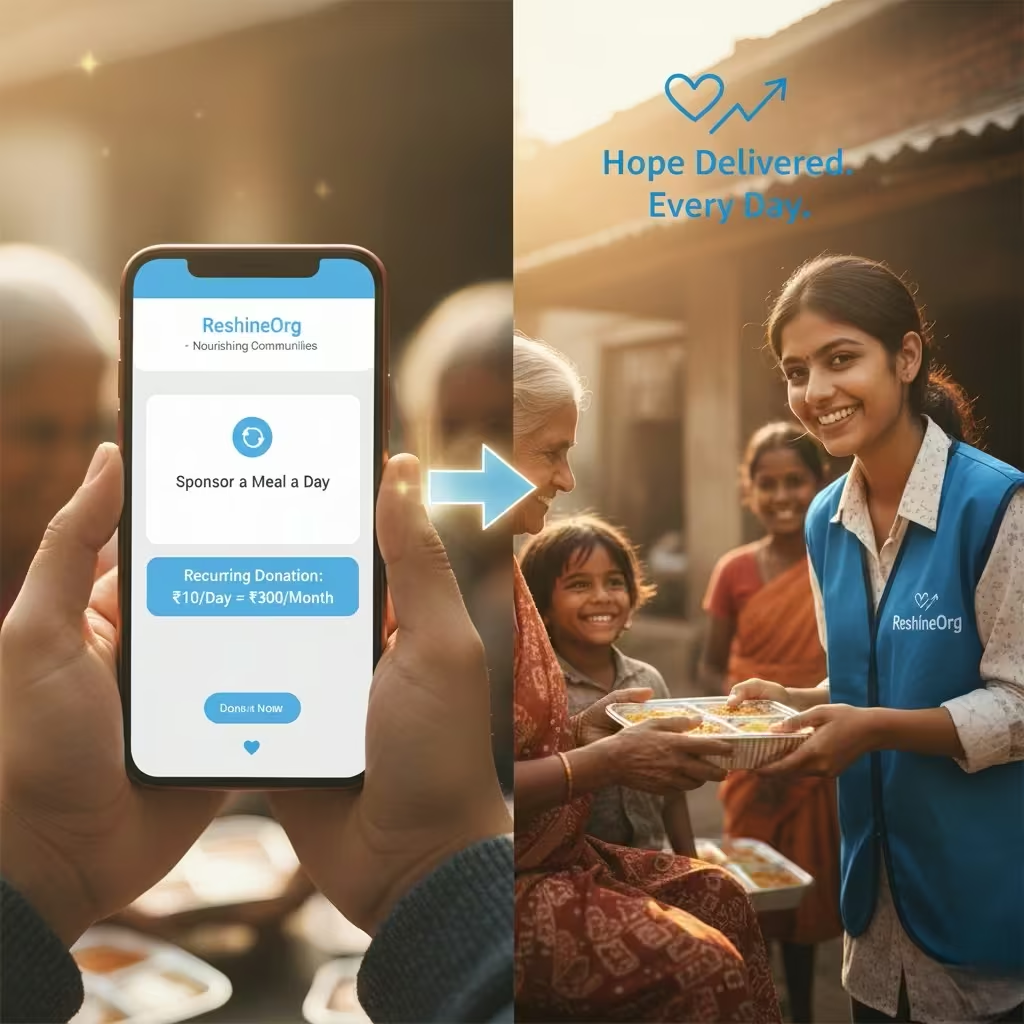
Reshine is a youth-led organisation. Young people are not just volunteers. They are leaders. They manage food rescue operations. They coordinate with donors. They distribute meals daily. They make decisions. They are accountable.
This model builds leadership capacity. It gives young people real responsibility. It prepares them for future leadership roles. And it ensures that the organisation has a pipeline of capable leaders.
Crisis Response
During crises, Reshine has served over 1.2 million meals. This response was led by our team, working with local vendors, community leaders, and volunteers. The leadership required to mobilize resources, coordinate logistics, and ensure food safety is immense.
Transparency and Accountability
Reshine is committed to transparency. We publish impact reports. We share financial information. We welcome scrutiny. This transparency builds trust with donors, communities, and regulators.
Partnership and Collaboration
Reshine partners with over 100 local Halal vendors. This model demonstrates leadership in partnership. By working with local businesses, we support the local economy while feeding people in need. We also partner with community organisations, hospitals, and government agencies.
Recognition and Credibility
Reshine has been recognized as a “Public Hero” by Public TV. We have received endorsements from Justice Santosh Hegde, Dr. C.N. Manjunath, and Dr. H.T. Sangaliana. Our operations are aligned with the UN Sustainable Development Goals. This recognition reflects the trust we have built through consistent, transparent leadership.
Building Leadership Capacity in Nonprofits
Great leadership does not happen by accident. It requires intentional investment.
1. Invest in Training and Development
Provide opportunities for staff and volunteers to build leadership skills. This can include formal training, mentorship, and stretch assignments.
2. Create Leadership Pathways
Create clear pathways for advancement. Identify high-potential individuals and provide them with opportunities to lead.
3. Foster a Culture of Ownership
Encourage staff and volunteers to take ownership of their work. Give them autonomy and accountability. Celebrate initiative.
4. Build a Diverse Board
A diverse board brings different perspectives and expertise. It strengthens governance and provides strategic guidance.
5. Plan for Succession
Do not wait for a crisis. Plan for leadership transitions. Identify potential successors and prepare them for leadership roles.
6. Learn from Failure
Great leaders are not afraid to fail. They create a culture where mistakes are learning opportunities. They encourage experimentation and innovation.
7. Prioritize Self-Care
Nonprofit leaders must take care of themselves. Burnout is a real risk. Leaders should prioritize self-care, set boundaries, and seek support.
The Impact of Great Leadership
Great leadership has a multiplier effect. It transforms individuals, teams, organisations, and communities.
Transforms Individuals
Great leaders inspire individuals to grow. They provide mentorship, encouragement, and opportunities. They help people discover their potential.
Transforms Teams
Great leaders build teams that are cohesive, motivated, and effective. They create cultures of trust, collaboration, and accountability.
Transforms Organisations
Great leaders build organisations that are resilient, impactful, and sustainable. They ensure that the organisation stays true to its mission while adapting to change.
Transforms Communities
Great leaders build partnerships and coalitions that create collective action. They mobilize resources, inspire volunteers, and drive systemic change.
Frequently Asked Questions
What makes nonprofit leadership different from business leadership?
Nonprofit leadership involves multiple bottom lines, complex stakeholder relationships, volunteer management, resource constraints, and governance and accountability. Unlike businesses, nonprofits measure success through social impact, community trust, and mission alignment, not just profit.
What are the key qualities of great nonprofit leaders?
Key qualities include vision and purpose, integrity and transparency, empathy and compassion, resilience and adaptability, strategic thinking, collaboration and partnership, financial stewardship, and the ability to develop others.
How does Reshine demonstrate leadership?
Reshine demonstrates leadership through its youth-led model, crisis response, transparency, and partnerships. Young people manage operations and make decisions. The organisation publishes impact reports and shares financial information. It partners with over 100 local vendors.
How can nonprofits build leadership capacity?
Nonprofits can build leadership capacity by investing in training and development, creating leadership pathways, fostering a culture of ownership, building a diverse board, planning for succession, learning from failure, and prioritizing self-care.
What challenges do nonprofit leaders face?
Nonprofit leaders face resource scarcity, burnout, talent retention, measuring impact, and navigating change. These challenges require resilience, creativity, and strategic thinking.
Why is leadership development important for nonprofits?
Leadership development ensures that organisations have a pipeline of capable leaders. It builds continuity, strengthens the organisation, and prepares for future challenges. At Reshine, youth leadership development is central to our model.
Conclusion
Great leadership transforms nonprofits. It provides direction, builds trust, inspires action, and ensures sustainability. Without strong leadership, even the most well-intentioned organisations flounder. With strong leadership, nonprofits can achieve remarkable things.
At Reshine Organisation, we have seen the power of leadership. Our youth-led model demonstrates that when young people are trusted with responsibility, they rise to the occasion. Our crisis response shows what can be achieved when teams are united by a common purpose. Our transparency and partnerships reflect our commitment to integrity and collaboration.
The nonprofit sector needs great leaders. It needs people who combine passion with pragmatism, vision with execution, and heart with strategy. It needs people who are willing to serve, not just lead.
Join us in building the next generation of nonprofit leaders.
Let’s Talk Leadership
Have questions about nonprofit leadership or how you can get involved? We would love to hear from you.
Connect with us on WhatsApp for a friendly conversation about how you can develop your leadership skills and make a difference. Our team is here to help.