
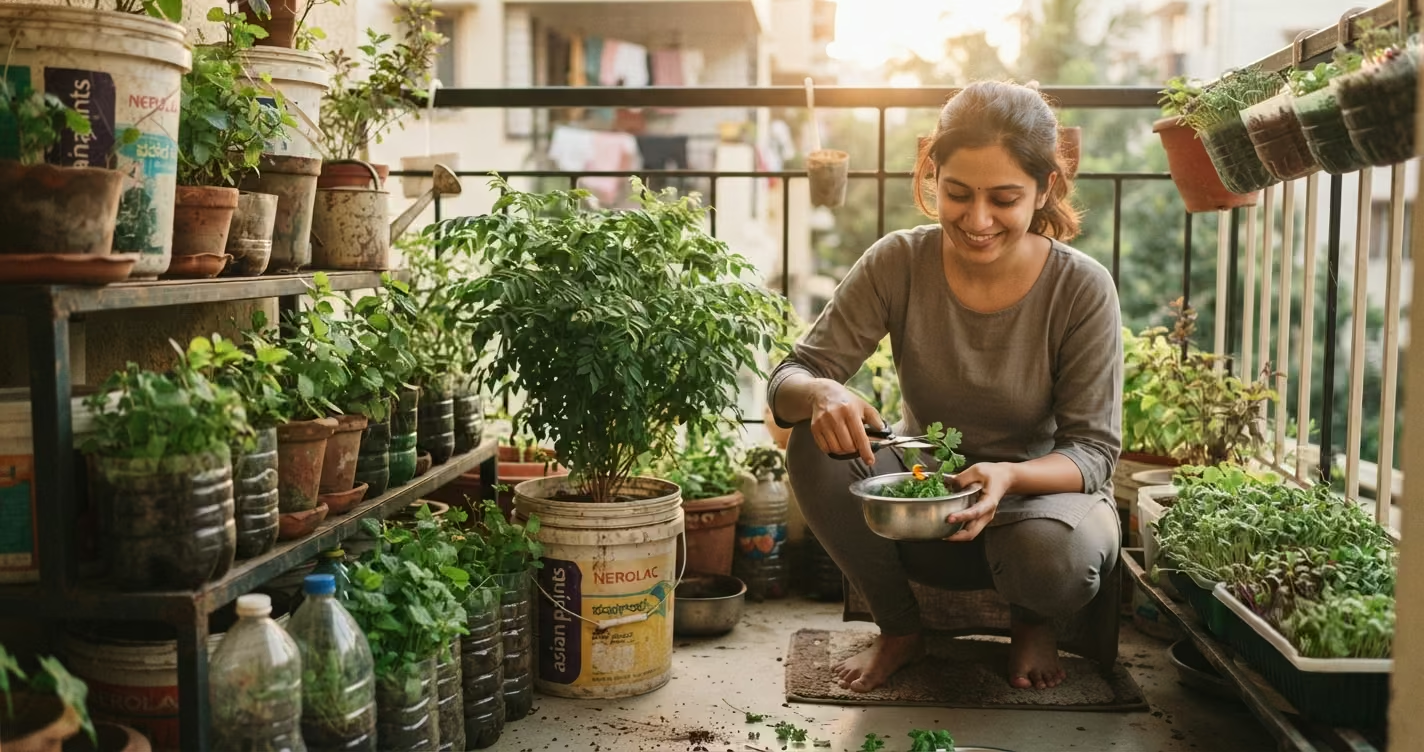

Why Urban Farming Matters for Food Security in India
India’s cities are growing rapidly. By 2030, nearly 40% of Indians will live in urban areas. With this growth comes a challenge: how do we feed millions of city dwellers nutritious, affordable foodThe answer may lie closer than we think—on rooftops, in backyards, and on unused urban land. Urban farming is transforming how cities think about food. It is not just a hobby for gardening enthusiasts. It is a food security strategy.
This guide explores why urban farming matters for food security in India, the different models being practiced, and how you can be part of this growing movement.
What is Urban Farming?
Urban farming is the practice of growing food within city boundaries. It takes many forms, from small kitchen gardens on balconies to commercial vertical farms in warehouses. It includes rooftop gardens, community plots, hydroponics, and aquaponics.
Unlike rural agriculture, urban farming is integrated into the city landscape. It uses available spaces—terraces, walls, vacant lots, and even windowsills—to produce fresh vegetables, fruits, herbs, and sometimes fish and poultry.
India’s urban farming sector is projected to grow 10% by 2026. This growth is driven by rising consumer interest in natural, pesticide-free produce and a desire for food security.
Why Urban Farming Matters for Food Security
Urban farming addresses multiple dimensions of food security.
It covers availability, access, utilization, and stability.
Next, here is how.
1. Increases Local Food Availability
Cities depend on rural areas for most of their food. This makes urban populations vulnerable to supply chain disruptions—transport strikes, natural disasters, or fuel shortages can empty supermarket shelves within days.
Urban farming reduces this vulnerability. When food is grown within the city, it does not need to travel long distances. It reaches consumers faster, fresher, and with less risk of spoilage.
The Cold Chain Advantage. Perishable produce loses nutritional value during long transport, unless properly maintained. Urban farming offers a practical solution by growing and delivering fresh produce closer to consumers, reducing the time from harvest to table and preserving nutrients.
Vegetables harvested in the morning can be on your plate by evening, a pace that supports flavor and nutrition. This freshness translates to better nutrition and less waste for households and communities relying on local supply chains.
2. Improves Access to Nutritious Food
Low-income urban communities often live in “food deserts”—areas with limited access to affordable, nutritious food. They rely on processed foods from convenience stores because fresh produce is expensive or unavailable.
Urban farming changes this. Community gardens and rooftop farms in these neighborhoods provide direct access to fresh vegetables. They reduce dependence on expensive retail outlets and empower communities to grow their own food.
Reshine’s Approach at Reshine Organisation shows the link between food access and nutrition. We see this connection every day. This approach guides our decisions across programs and partnerships.
Our Parivartan initiative provides food support to families in slum areas, easing financial strain and improving health. Urban Farming gives communities the tools to grow their own nutritious food. By aligning food aid with sustainable skills training, we strengthen long-term community resilience.
3. Reduces Food Miles and Carbon Footprint
The average meal travels over 1,500 kilometers before reaching your plate. This transport contributes significantly to greenhouse gas emissions and makes food more expensive.
Urban farming eliminates food miles. It also reduces the need for packaging, refrigeration, and storage. The result is a lower carbon footprint and fresher produce.
Environmental Benefits of Urban Farming
| Benefit | How It Helps |
|---|---|
| Reduced Food Miles | Less transport, lower emissions |
| Reduced Packaging | Less plastic waste |
| Improved Air Quality | Plants absorb CO2 and pollutants |
| Reduced Heat Island Effect | Green roofs cool buildings |
| Water Conservation | Rainwater harvesting and drip irrigation |
4. Builds Community Resilience
Urban farming is about more than food. It builds community. When neighbors garden together, they share knowledge, resources, and support. They create social bonds that strengthen the entire neighborhood.
Community gardens become gathering places. They host workshops, seed swaps, and harvest festivals. They give residents a sense of ownership and pride.
During crises—whether a pandemic or a natural disaster—these community networks become vital. They ensure that food reaches those who need it most.
5. Provides Economic Opportunities
Urban farming creates jobs and income opportunities. From rooftop farm managers to hydroponic technicians, the sector is generating new forms of green employment.
For low-income households, urban farming can reduce food expenses significantly. A family that grows its own vegetables saves money on groceries. Surplus produce can be sold, providing additional income.
Success Story: Kitchen Gardens in Karnataka
In Dharwad district, the AME Foundation promoted kitchen gardens among 70 farming families. Each household produced vegetables worth ₹2,500-3,500 in a season. In 2024, despite heavy rainfall damaging main crops, around 25 women farmers raised nutrition gardens. Each household produced vegetables worth ₹3,000-4,000. Kitchen gardens served as a “boon” to families facing food shortages due to crop loss.

Models of Urban Farming in India
Urban farming takes many forms. Here are the most common models practiced in Indian cities.
Rooftop Farming
Rooftops are among the most underutilized spaces in Indian cities. They receive abundant sunlight and are often easily accessible. Rooftop farming transforms these spaces into productive gardens.
What Can Be Grown
- Leafy greens: spinach, methi, coriander, mint
- Vegetables: tomatoes, chilies, brinjals, okra
- Herbs: basil, curry leaves, lemongrass
- Fruits: papaya, guava, lime (in larger containers)
Requirements
- Sturdy containers or raised beds
- Lightweight growing medium (coco peat, compost)
- Waterproofing to protect the building
- Drip irrigation for water efficiency
Real Example
Reshine Organisation promotes sustainable practices including kitchen gardens. In the Annapoorna Kitchen Garden initiative, we distribute seed kits and provide training to families in Bidar. These gardens now supply fresh vegetables to over 400 households, improving nutrition and reducing food costs.
Community Gardens
Community gardens are shared spaces where residents grow food collectively. They are often located on vacant land, in parks, or within housing societies.
Benefits
- Shared costs and labor
- Knowledge exchange between gardeners
- Stronger community bonds
- Access to fresh produce for all members
How to Start
- Identify vacant land with permission from local authorities
- Form a gardening committee
- Assign individual plots or garden collectively
- Establish rules for water use, maintenance, and harvest sharing
Vertical Farming
Vertical farming grows crops in stacked layers, often indoors or in controlled environments. It uses hydroponics or aeroponics—growing plants without soil, in nutrient-rich water.
Advantages
- Maximum yield per square foot
- Year-round production
- Minimal water use (up to 95% less than traditional farming)
- No pesticides needed
Challenges
- High initial investment
- Energy requirements for lighting and climate control
- Technical expertise needed
Real Example
Several startups in Bengaluru and Mumbai are pioneering vertical farming. They supply fresh greens to restaurants and supermarkets, proving that commercial urban farming is viable in India.
Hydroponics and Aquaponics
Hydroponics grows plants in nutrient-rich water without soil. Aquaponics combines hydroponics with fish farming—fish waste provides nutrients for plants, and plants filter water for fish.
Why It Matters
These methods use significantly less water than traditional farming. They can be set up in small spaces—balconies, terraces, or even indoors. They are ideal for urban environments where land is scarce.
The Role of Government and Policy
Urban farming is gaining policy support in India. Several states and cities are promoting urban agriculture through various initiatives.
Government Initiatives
- Mission Poshan 2.0: Promotes kitchen gardens and nutrition education through Anganwadi centers.
- Atal Mission for Rejuvenation and Urban Transformation (AMRUT): Supports green spaces and urban agriculture.
- Smart Cities Mission: Encourages urban farming as part of sustainable urban development.
- State-Level Programs: Kerala, Tamil Nadu, and Maharashtra have active urban farming programs.
What More Is Needed
- Clear land use policies that recognize urban farming
- Simplified regulations for rooftop and community gardens
- Training and capacity building for urban farmers
- Access to finance for small-scale urban farming enterprises
- Integration of urban farming into city planning
How Reshine Org Supports Urban Farming
At Reshine Organisation, we understand that food security requires more than food rescue. It requires building community capacity to grow food.
Our Urban Farming Initiatives
- Seed Kit Distribution: We provide seed kits to families in Bidar, enabling them to start kitchen gardens.
- Training Programs: We conduct workshops on organic farming, composting, and water conservation.
- Community Gardens: We support the establishment of community gardens in slum areas and schools.
- Awareness Campaigns: We educate communities about the benefits of urban farming for nutrition and food security.
The Impact
Through these initiatives, we are helping families grow their own nutritious food. We are reducing dependence on external food sources. We are building skills that last a lifetime.
Frequently Asked Questions
What is urban farming?
Urban farming is the practice of growing food within city boundaries. It includes rooftop gardens, community plots, kitchen gardens, hydroponics, and vertical farming.
How does urban farming improve food security?
Urban farming increases local food availability, improves access to nutritious food, reduces food miles, builds community resilience, and provides economic opportunities.
What can I grow in a small balcony?
You can grow leafy greens (spinach, methi, coriander), herbs (mint, basil, curry leaves), and small vegetables (chilies, tomatoes, brinjals) in containers on a balcony.
Is urban farming expensive?
Start-up costs depend on the scale. Kitchen gardens in containers can be started with minimal investment. Community gardens share costs. Vertical farms require higher investment but can be commercially viable.
How can I start a community garden?
Identify vacant land with permission, form a gardening committee, assign plots, establish rules, and start planting. Seek support from local NGOs and government programs.
Does urban farming really make a difference?
Yes. Every kilogram of food grown locally reduces food miles, conserves resources, and provides fresh nutrition. When multiplied across millions of urban households, the impact is enormous.
Conclusion
Urban farming matters for food security. It brings food production closer to consumers, reduces waste, builds community, and creates economic opportunities. In a country where cities are growing rapidly and food systems face increasing stress, urban farming offers a practical, scalable solution.
You can be part of this movement. Start a kitchen garden on your balcony. Join a community garden. Support urban farming initiatives. Every seed planted is a step toward a more food-secure future.
Let’s Talk About Urban Farming
Have questions about starting an urban farm or supporting urban farming initiatives? We would love to hear from you.
Connect with us on WhatsApp for a friendly conversation about how you can grow food in your city. Our team is here to help.