
How to Turn Kitchen Surplus into Meals for All: A Complete Guide
Imagine a wedding with dozens of plates of untouched food. Imagine a corporate event with a buffet barely touched. Now imagine a family a few streets away wondering where their next meal will come from. The contrast is painful, but it also holds a solution.
Turning kitchen surplus into meals is one of the most direct ways to fight hunger and reduce waste. Every year, Indian households alone discard a shocking 78.2 million tonnes of food . Yet millions go hungry. The resources exist. The solution exists. This guide will show you how.
Why Kitchen Surplus Matters
Kitchen surplus comes from many sources. Restaurants, hotels, weddings, corporate events, and even home kitchens all generate food that goes uneaten. This food is often perfectly edible, nutritious, and safe. Yet it ends up in landfills, releasing methane and contributing to climate change.
At the same time, food insecurity affects millions. In India, 190 million people go to bed hungry every night . This is not a problem of scarcity. It is a problem of distribution. Kitchen surplus bridges this gap. It connects excess with need.
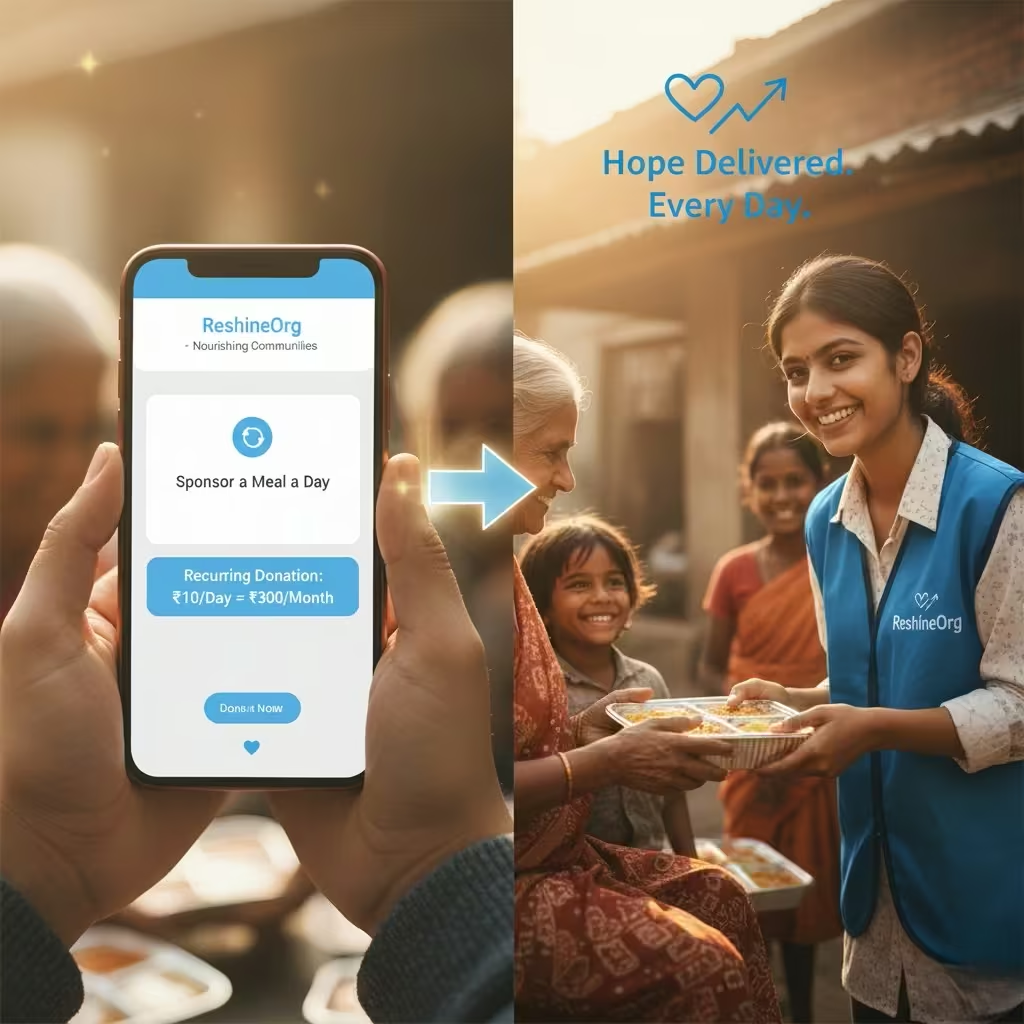
Food rescue also makes financial sense. The estimated value of food wasted annually in India is ₹92,000 crore . Redirecting even a fraction of this could feed millions. Organizations like Reshine Organisation demonstrate this with measurable impact—serving over 660,000 meals at government hospitals alone .
How Food Rescue Works
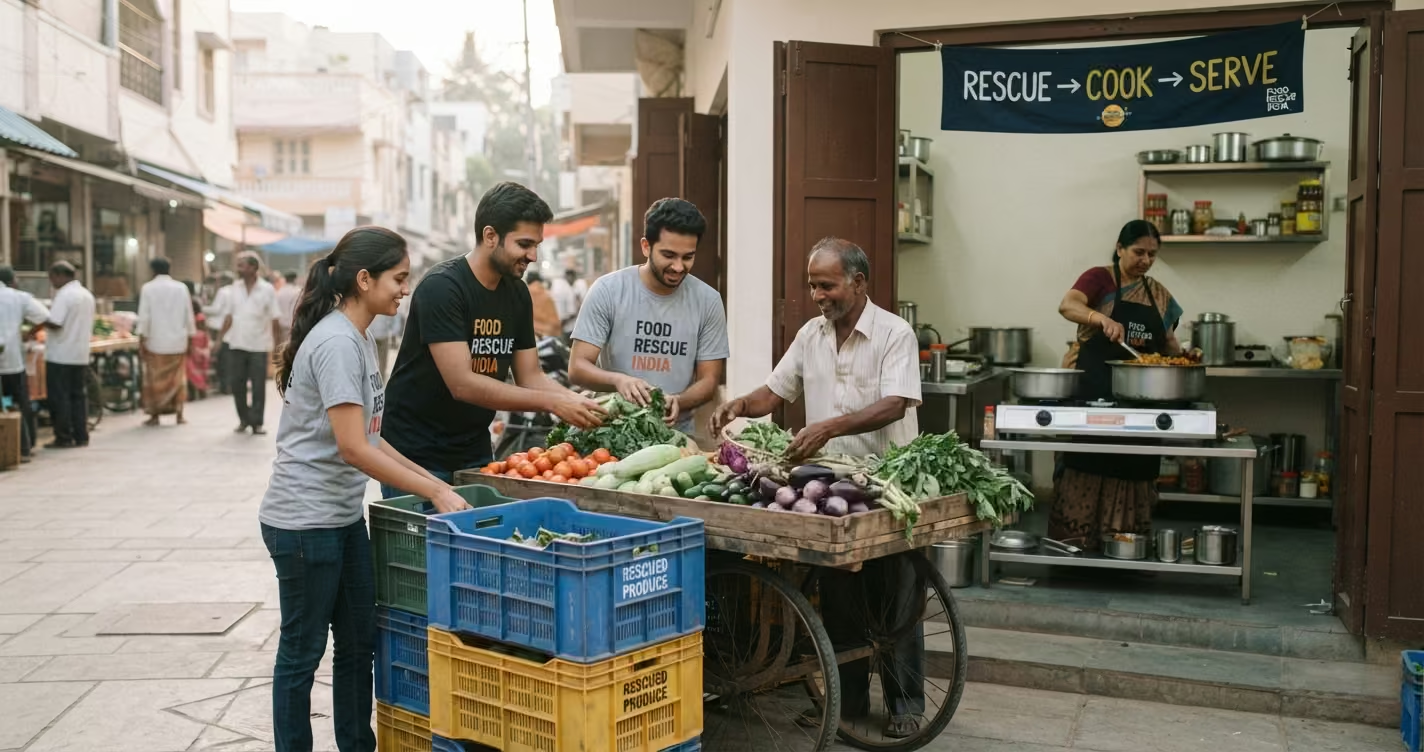
Food rescue is the practice of collecting surplus, safe-to-eat food from donors and redistributing it to people in need. The process involves several steps:
Step 1: Identify Food Sources
Surplus food comes from weddings, corporate cafeterias, hotels, restaurants, supermarkets, and homes. Many donors are willing to give but lack the logistics.
Step 2: Set Up Collection Systems
Dedicated volunteers or staff collect the food. This requires vehicles, food-grade containers, and proper hygiene protocols. Many organizations maintain a call centre to coordinate pickups .
Step 3: Inspect for Safety
Food is inspected for freshness, proper temperature, and signs of spoilage. Unsafe food is rejected. At Reshine, food is checked at the donor’s site before acceptance.
Step 4: Redistribute Quickly
Time is critical. The 1-hour rule ensures food reaches beneficiaries while still safe. Organizations often use insulated containers to maintain temperatures.
Step 5: Serve with Dignity
Food is served respectfully, not as charity but as a right. Clean plates, orderly queues, and kind treatment are essential.
Real-World Models That Work
Several organizations across India have built successful models to turn kitchen surplus into meals.
No Food Waste: From Two Shopping Bags to 40,000 Meals Monthly
No Food Waste started in 2014 in Coimbatore with just two shopping bags and one volunteer . Today, it operates across Tamil Nadu, Andhra Pradesh, and Telangana with 26 chapters. The Chennai chapter alone feeds 40,000 people monthly .
How They Operate
- Collection: Volunteers collect surplus food from IT companies, educational institutions, corporate events, and weddings using dedicated vehicles .
- Community Kitchen: In Pallikaranai, Chennai, they run a community kitchen that prepares 700-800 fresh plates daily for the homeless .
- Volunteer Network: Around 30 dedicated volunteers work regularly, supported by college and corporate partners .
Reshine Organisation: 660,000 Hospital Meals
Reshine operates a hunger alleviation program at BRIMS Government Hospital in Bidar, Karnataka. The Annadasoha initiative provides 600 meals daily—300 in the morning and 300 in the evening .
Impact at a Glance
- Meals Served: 660,000 total (as of 2024)
- Cost Saved per Family: ₹100 per person per day
- Financial Burden Lifted: ₹6.6 Crore
- Consecutive Days: Over 1,100 days without missing a meal
This model shows how food rescue can be integrated into healthcare support, addressing both hunger and medical recovery .
Pepper Cook Seva Foundation: Cooking with Surplus Ingredients
In Mumbai, Anuja Kohli Mariwala runs Pepper Cook Seva Foundation, which feeds 1,200 children daily . Her community kitchen in Worli sources most of its food for free—from farmers, farmers’ markets, and companies with excess stock .
Creative Kitchen Management
- Menu planning depends on what ingredients arrive. They work with whatever is available .
- Bubblegum syrup became bubblegum halwa. 2,000 kilos of cornflakes became cornflakes bhel .
- Volunteers are welcome to cook. “All our food is made with love,” she says .
This model proves that surplus ingredients can become creative, nutritious meals with the right attitude and systems.
How to Start Your Own Food Rescue Initiative
Starting a food rescue program requires planning, partnerships, and safety protocols. Here is a step-by-step guide:
1. Assess Your Community’s Need
Identify hunger spots in your area. These often include government hospitals, slum communities, bus stations, railway platforms, and old-age homes. In Hyderabad, No Food Waste mapped over 550 hunger spots across the city .
2. Identify Food Sources
Reach out to hotels, restaurants, wedding venues, and corporate cafeterias. Many are willing to donate surplus food but need reliable partners for collection.
3. Build a Volunteer Network
Volunteers are the backbone of food rescue. Partner with colleges, schools, and corporate CSR programs. Provide clear roles and training. No Food Waste uses a zone-based structure with zonal heads managing collection and distribution .
4. Establish Food Safety Protocols
Temperature Rules
- Hot food: keep at or above 60°C
- Cold food: keep at or below 5°C
- Cooling: cool from 60°C to 21°C within 2 hours
Inspection Checklist
- Check appearance, smell, and temperature
- Reject expired or spoiled food
- Ensure packaging is intact
5. Set Up Logistics
Dedicated vehicles, food-grade containers, and insulated transport are essential. Some organizations also run community kitchens for consistency. The Hyderabad chapter operates four food collection vans and a central kitchen in Sanathnagar .
6. Create Partnerships
Work with shelters, hospitals, and community organizations for distribution. MOUs clarify roles, responsibilities, and liability protection.
Comparison of Food Rescue Models
| Feature | No Food Waste (Chennai) | Reshine (Bidar) | Pepper Cook Seva (Mumbai) |
|---|---|---|---|
| Primary Model | Collection + community kitchen | Hospital meal distribution | Community kitchen (surplus sourcing) |
| Daily Meals | 40,000+ monthly | 600 | 1,200 |
| Key Sources | Events, IT companies, weddings | Donor partnerships | Farmers, companies |
| Focus | Urban food rescue | Healthcare integration | Child nutrition |
| Volunteers | 30+ regular | Community-supported | Open to all |
How Technology Can Help
Technology is making food rescue more efficient and scalable. Proposed solutions include:
“Meals of Hope” Sections: Food delivery platforms could feature sections for affordable meals from NGOs and community kitchens. A “Donate a Meal” feature would allow users to contribute directly .
Food Rescue Programs: Platforms could list surplus food from restaurants and events at reduced prices—or for free—using geolocation to connect donors with nearby hunger spots .
Community Impact Dashboards: Organizations are building digital networks that connect event planners, hotels, and community groups involved in food redistribution . These dashboards would showcase collective impact in near real-time.
Frequently Asked Questions
What kind of food can I donate?
You can donate surplus food from events, weddings, corporate cafeterias, and homes. Ensure food is fresh, properly stored, and safe. Avoid expired items, spoiled food, or food with broken packaging.
Do I need legal registration to collect and distribute food?
Yes. FSSAI regulations require surplus food distribution organizations to be registered or licensed. You also need proper facilities for transport, storage, and reheating. Following food safety rules provides liability protection.
How do I keep food safe during collection?
Follow the 1-hour rule: distribute food within one hour of pickup. Use dedicated vehicles, maintain temperature control (cold below 5°C, hot above 60°C), and inspect all food before acceptance.
How do I find volunteers?
Partner with colleges, schools, and corporate CSR programs. Use social media to recruit community members. Provide clear roles, training, and recognition.
What is the cost to start a food rescue program?
Starting small is possible. No Food Waste began with two shopping bags and no budget. As you grow, costs include vehicles, storage, and kitchen facilities. Community kitchens in Chennai and Hyderabad operate with volunteer support and donated ingredients.
How is food distributed?
Food goes to shelters, hospitals, slum communities, and hunger spots. Many organizations map local hunger points—like bus stations, railway platforms, and old-age homes—to ensure efficient distribution.
What about food waste from homes?
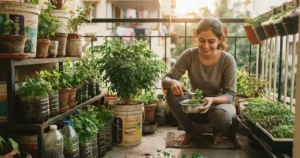
Start with meal planning and smart storage. Collect vegetable scraps for stock. Compost unavoidable waste. For larger surplus, connect with local food rescue organizations.
Conclusion
Turning kitchen surplus into meals for all is not just possible. It is happening across India. Organizations like No Food Waste, Reshine, and Pepper Cook Seva prove that excess food can become a powerful resource for fighting hunger.
You can be part of this movement. Whether you start a food rescue initiative, volunteer with an existing organization, or simply reduce waste at home, every effort counts. Every meal saved is a meal served. Every act of compassion builds a more equitable world.
Let’s Talk About Food Rescue
Have questions about starting a food rescue initiative or reducing surplus in your kitchen? We would love to hear from you.
Connect with us on WhatsApp for a friendly conversation about how you can turn kitchen surplus into meals for those in need. Our team is here to help.