
How to Reduce Plate Waste at Home and Events: A Practical Guide
You have probably seen it happen. A wedding buffet with half-eaten plates. A family dinner where leftovers get scraped into the bin. A festival celebration where food is wasted despite good intentions. This pattern is common, but it does not have to stay that way. Reducing plate waste is one of the simplest ways to fight hunger and protect the environment. Every bite saved is a meal that feeds someone, not a landfill. This guide will show you how to cut food waste at home and during events, with practical tips inspired by real Indian initiatives.
Why Plate Waste Matters
Food waste is a serious problem in India. The country generates about 68.8 million tonnes of food waste annually, with much of it starting at home . Weddings alone produce an estimated 200 to 300 kg of food waste each, accounting for nearly 20% of total food waste . When food rots in landfills, it releases methane, a potent greenhouse gas. Reducing plate waste is also a smart financial move, as fresh produce is costly .
Reducing Plate Waste at Home: Simple Daily Habits
Your kitchen is the best place to start. These small changes can make a big difference.
Plan Your Meals
Meal planning is a powerful tool. It helps you buy only what you need and use what you already have . Take a few minutes each week to plan your meals. Check your pantry before shopping and make a list based on what you already have. This simple habit can cut food waste by nearly half.
Use Every Part of the Vegetable
Many nutritious parts of vegetables are thrown away. Onion skins, watermelon rinds, and broccoli stems are all edible . Traditional Indian cooking has long used these scraps. For example, bottle gourd peels can become a chutney, and cauliflower leaves can be made into a sabzi .
Get Creative in the Kitchen
You can use vegetable scraps in many ways. Save your vegetable trimmings like onion ends and carrot tops to make a flavourful stock. This stock can be the base for soups, dals, and biryanis . Coriander stems are just as flavourful as the leaves. Blend them into a paste with green chillies and ginger, and store it in the fridge for curries and marinades .
Store Food Smartly
Food often spoils because it is stored improperly. A well-organised refrigerator is key . Keep your fridge organised so you can see everything. Store leftovers in clear containers. Place newer items at the back and older ones at the front. This way, you will use food before it expires .
Cook the Right Amount
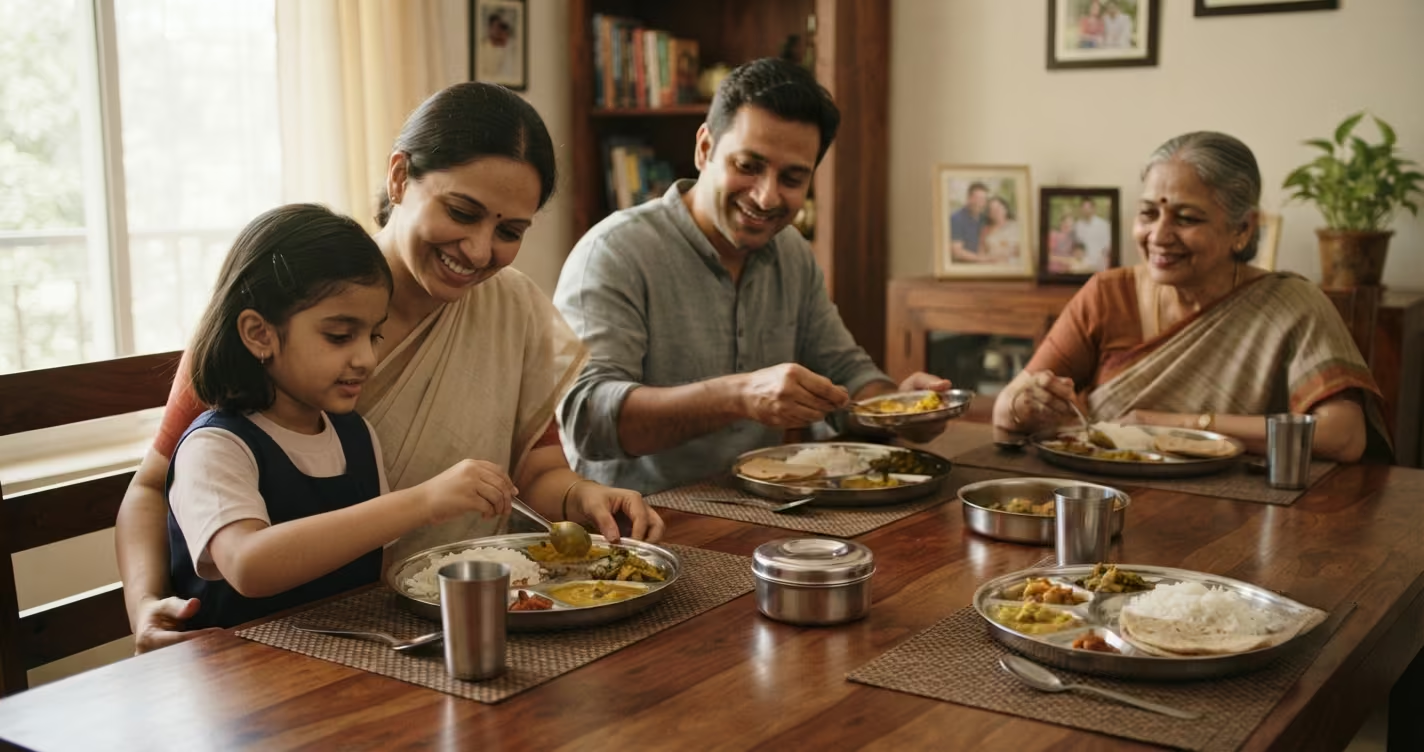
Cook only what you need. If you are unsure about portion sizes, start with less. You can always prepare more if guests are still hungry. For leftovers, repurpose them into new dishes. Extra dal can become a soup. Leftover rice can be turned into fried rice or a comforting khichdi . This approach is a cornerstone of sustainable kitchens in India.
Compost What You Cannot Use
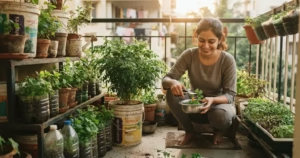
Even with the best planning, some food scraps are inevitable. These scraps do not have to go to a landfill. Start a compost bin for fruit and vegetable peels . This turns waste into nutrient-rich soil for your garden. If you do not have space for a bin, look for a community composting program in your area.
Cutting Plate Waste at Events: Strategies for Hosts and Organisers
Events are a major source of food waste. But with careful planning, you can host celebrations that are both joyful and sustainable.
Ban the Single-Use Disposables
Disposable plates, cups, and cutlery are among the most wasteful aspects of parties . They are used for minutes but stay in landfills for hundreds of years . The most effective alternative is to use what you already have: your regular dishes, cutlery, and cloth napkins .
Borrow, Rent, or Use a Plate Bank
If you do not have enough tableware, you have options. Ask guests to bring their own plates and cutlery . Or, look into the growing “Plate Bank” movement.
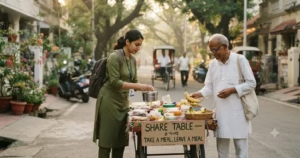
In Karnataka, the Adamya Chetana Foundation has established 32 plate banks across India, where people can borrow steel plates, bowls, and glasses for functions . Similarly, the “Share To Save” initiative in Pune is a community-driven utensil bank. Members share steel tableware for free for small household functions, all coordinated through a WhatsApp group . This model is simple, effective, and growing rapidly.
Plan a Low-Waste Menu
Over-catering is a common cause of plate waste. It is costly for your wallet and harmful to the environment . Plan your menu carefully. Estimate portions accurately to avoid making too much food. Focus on fresh, seasonal, and local ingredients .
Reduce Food Waste at the Venue
Consider having guests serve themselves. Some caterers report that self-service reduces waste compared to table service . Work with your caterer to donate any unserved, untouched food to a local food bank . For unavoidable food scraps, set up a composting system to manage them responsibly .

Communicate Your Goals
Awareness is a powerful tool. Inform your guests about your efforts to reduce waste. Caterers in Mangaluru report that food waste has dropped nearly 50% compared to a decade ago. This is partly because emcees now remind guests to “take only what they can finish” .
Make it Easy for Guests
Set up clearly labelled bins for waste segregation. Place one bin for recyclables, one for compostables, and one for landfill waste . Clear signage helps guests participate in your sustainability efforts. A low-waste wedding in Chennai diverted 110 kg of waste from landfills through careful segregation and composting .
Choose Sustainable Decorations
Avoid single-use decorations like plastic banners and balloons. Instead, opt for reusable or natural decorations. Use flowers, leaves, or potted plants as centrepieces. You can also repurpose materials you already have, like jars and fabric scraps, to create banners or garlands .
Real-World Initiatives to Inspire You
These Indian examples show that reducing waste at events is possible at scale.
The VV Puram Food Street Pilot
In Bengaluru, a pilot project at the iconic VV Puram Food Street is replacing single-use plates with reusable ones. A centralised washing system supplies around 1,500 reusable plates daily to vendors. The goal is to tackle the massive mixed waste from disposable plates and improve hygiene .
The Plate Bank Movement
The Plate Bank initiative has expanded from Bengaluru to cities like Mysuru and even to Uttarakhand, near the Jim Corbett National Park. It is also gaining traction internationally . The goal is simple: prevent plastic from reaching sensitive zones and create awareness about sustainable celebrations .
Pune’s “Share To Save” Initiative
This community-driven model has inspired many. Volunteers maintain utensil banks at home and share them for free for small gatherings. The initiative operates through a WhatsApp group, making it easy to borrow and return items .
Frequently Asked Questions
What is plate waste?
Plate waste is the food left uneaten on a plate. It is a significant contributor to overall food waste, especially at weddings, buffets, and large gatherings.
How do I host a zero-waste party at home?
Focus on reusables. Use your own plates and cutlery. Plan a menu with minimal packaging. Avoid disposable decorations. Set up compost and recycling bins for guests.
What is a “Plate Bank”?
A Plate Bank is a community resource where you can borrow steel plates, bowls, and glasses for events. These banks provide a reusable alternative to single-use plastic or paper tableware.
How can I reduce food waste at my wedding?
Plan your menu carefully to avoid over-catering. Work with your caterer to donate leftover, untouched food. Compost food scraps. Some couples also compost flower waste.
Are reusable plates hygienic?
Yes, when washed properly. Centralised washing systems, like the one at VV Puram Food Street, use hygienic commercial-grade cleaning processes that are often more sanitary than washing in buckets.
How does reducing plate waste help the environment?
When food scraps and single-use plates rot in landfills, they release methane, a potent greenhouse gas. Reducing waste cuts these emissions and conserves the resources used to produce the food.
Conclusion
Reducing plate waste is a simple but powerful act. It starts with mindful choices at home. Plan your meals, use every part of your vegetables, and cook only what you need. At events, choose reusables over disposables, plan your menu thoughtfully, and communicate your goals to guests.
The Plate Bank movement in Karnataka and Pune shows that communities can come together to solve this problem. Every effort counts, whether it is a family dinner or a grand wedding. A little planning can turn a celebration into a gift for the planet.
Let’s Talk About Reducing Waste
Have questions about starting a plate bank or hosting a sustainable event? We would love to hear from you.
Connect with us on WhatsApp for a friendly conversation about how you can reduce plate waste in your home and community. Our team is here to help.