
- Where to Donate Food Locally: The Ultimate Guide
- Why Donate Food Locally? The Ripple Effect
- What Types of Food Can You Donate?
- The Ultimate List: Where to Donate Food Locally
- How to Donate Food Safely and Respectfully
- The Reshine Org Model: A Seamless Solution for Local Food Donation
- What to Do If You Can't Find a Local Option?
- Conclusion: Your Local Action Has a Global Impact
Where to Donate Food Locally: The Ultimate Guide
You have surplus food—perhaps from a celebration, a business overstock, or simply a well-managed pantry clean-out. Instead of letting it go to waste, you want it to nourish someone in need. The question that naturally follows is: where to donate food locally?
Knowing the right place to give is the crucial link between your good intention and meaningful community impact. Donating food isn’t just about dropping off cans; it’s about ensuring your donation is safe, accepted, and efficiently distributed to those who need it most.
At Reshine Org, we specialize in answering this exact question for businesses and individuals across India. We bridge the gap between surplus and need. This guide is your comprehensive resource, offering clear pathways and important considerations for anyone looking to find out where to donate food locally. Whether you’re a restaurant owner, an event planner, or a compassionate household, your contribution matters.
Why Donate Food Locally? The Ripple Effect
Before we list the “where,” let’s remember the powerful “why.” When you find where to donate food locally, you create a triple impact:
- Fights Hunger: Your surplus directly becomes a meal for a child, family, or individual facing food insecurity.
- Protects the Environment: Diverting food from landfills reduces harmful methane emissions and conserves the resources used to produce that food.
- Strengthens Community: You support local shelters and charities, fostering a network of care and solidarity right in your neighborhood.
What Types of Food Can You Donate?
Knowing where to donate food locally starts with knowing what to donate. Most organizations welcome:
- Non-Perishable Items: Unopened canned goods, pulses, rice, flour, pasta, sealed packets of spices, sugar, tea, and coffee.
- Packaged Dry Goods: Sealed packets of biscuits, chips, noodles, and breakfast cereals.
- Certain Fresh Produce: Durable fruits and vegetables (like potatoes, onions, apples, oranges) that are fresh and unbruised.
Important: Always contact the organization first to confirm what they can currently accept. Rules for fresh, cooked, or perishable food are often stricter due to safety protocols.
The Ultimate List: Where to Donate Food Locally
Here is a categorized list of places to consider when determining where to donate food locally. We recommend calling ahead to confirm operating hours, donation needs, and any specific guidelines.
1. Dedicated Food Rescue Organizations
These are often the most efficient channels, as food distribution is their core mission.
- Reshine Org: We are a primary answer for anyone in our service areas asking where to donate food locally. We facilitate the pickup and redistribution of both perishable and non-perishable surplus food from homes, businesses, and events. Our model is designed for safety, scale, and dignity.
- Best for: Larger quantities, perishable items (like fresh meals from events/caterers), and those seeking a hassle-free pickup service.
- How: Visit our website at reshineorg.com or call our donation hotline to schedule a pickup.
- Robin Hood Army (Operates in many Indian cities): A volunteer-based organization that collects surplus food from restaurants and events to distribute to underserved communities.
- Best for: Restaurant surplus and event leftovers.
2. Local Food Banks & Community Pantries
Food banks act as central warehouses, supplying smaller pantries and shelters.
- India Food Banking Network (IFBN) Partners: IFBN supports a network of food banks across India. Check their website to find a member food bank near you.
- Search Online: Use terms like “[Your City] food bank” or “community pantry” along with “where to donate food locally.” Many religious institutions and community centers also run regular pantry services.
3. Homeless Shelters & Night Shelters
Shelters provide immediate refuge and often serve daily meals.
- How to Find Them: A quick online search for “homeless shelter [Your City]” will provide options. Local municipal corporations often run night shelters that may accept food donations.
4. Orphanages & Children’s Homes
These homes care for vulnerable children and often rely on community support for nutritious meals.
- Consideration: It is vital to connect with the administration first. They may have specific nutritional guidelines or preferred donation times.
5. Old Age Homes & Senior Care Facilities
Donating to elder care homes supports a respected but often overlooked segment of our community.
- Note: Their dietary needs can be specific (softer foods, lower sugar). Contact is essential before donating.
6. Religious Institutions
Temples, Gurudwaras, Mosques, and Churches often have structured langars, community kitchens, or charity programs that feed people daily.
- Best for: Dry groceries and ingredients for their community kitchens. Many Gurudwaras, for example, run perpetual langars and accept donations in kind.
How to Donate Food Safely and Respectfully
Finding where to donate food locally is step one. Doing it right is step two.
- Check First, Donate Second: Never show up unannounced. Call or email to confirm they need and can handle your donation.
- Follow Safety Rules: Donate only food that is within its expiry date, sealed in original packaging, and not damaged or dented. For cooked food, it must be fresh, prepared hygienically, and ideally, donated the same day.
- Consider Non-Food Items: Many places also need toiletries, sanitary products, or new clothing. Ask if you can include these.
- Respect Dignity: Donate food you would serve to your own family. The goal is to nourish with dignity, not just to dispose of waste.
The Reshine Org Model: A Seamless Solution for Local Food Donation
When you’re unsure where to donate food locally, especially surplus that is perishable or in large quantity, Reshine provides a streamlined solution. Here’s how we make it easy and impactful:
- Reshine Handle Logistics: Tell us what you have, and we arrange a pickup from your home, business, or event venue.
- We Ensure Safety: Our team is trained in food safety handling. We have cold-chain logistics for perishables.
- Even We Guarantee Distribution: We partner with a verified network of shelters, community kitchens, and NGOs to ensure your food reaches people quickly and respectfully.
- We Provide Documentation: For businesses, we provide donation receipts for your records.
We turn the question of “where to donate food locally” into a simple, effective action.
What to Do If You Can’t Find a Local Option?
If you’re in an area with limited options, consider these alternatives:
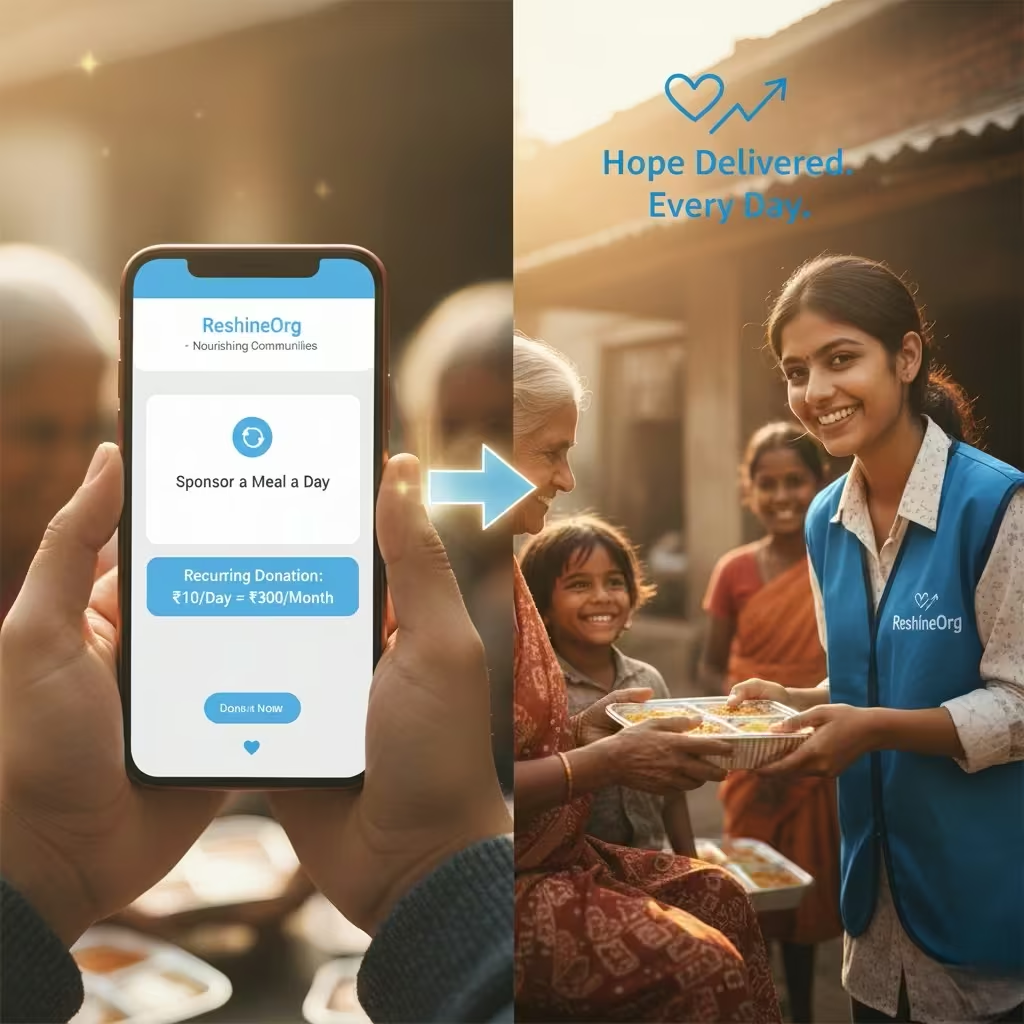
- Monetary Donation: Often, the most flexible help you can give. Organizations like Reshine can convert financial donations into many more meals by buying in bulk or funding transport.
- Volunteer Your Time: Your time is a priceless donation. Help with packing, distribution, or administration at a local charity.
- Start a Drive: Mobilize your housing society or office to collect non-perishables, then deliver them en masse to a chosen organization.
Conclusion: Your Local Action Has a Global Impact
Finding where to donate food locally is a powerful act of community stewardship. Each donation, no matter the size, is a statement that in your neighborhood, food is for nourishment, not for landfills. It connects you directly to the well-being of your city.
By choosing a responsible and effective channel, you ensure that your generosity fulfills its highest purpose: feeding people, protecting our planet, and building a culture of sharing.
Your Next Step: Donate Your Surplus with Confidence
If you have surplus food and are looking for a reliable, safe, and dignified answer to where to donate food locally, Reshine Org is here to help.
Ready to schedule a pickup or speak to our team about your surplus? Contact us directly. Let’s turn your excess into someone’s essential.
Schedule a Food Pickup with Reshine
Don’t waste kindness. Donate it.
FAQs
Where can I donate cooked food near me?
Donating cooked food requires extra care. Your best options are organizations with the capacity to handle and distribute it immediately, like Reshine Org or the Robin Hood Army. Always call ahead. Never leave cooked food outside a charity. It must be fresh, prepared hygienically, and ideally still within safe serving temperature.
Do food banks accept expired food?
No, reputable food banks and charities do not and should not accept expired food. Donating food past its “best before” or “use by” date poses health risks and undermines the dignity of recipients. Only donate food that is well within its shelf life.
Where is the best place to donate canned food?
Canned food is highly versatile and can be donated to almost any organization on our list: local food banks, homeless shelters, community pantries, and organizations like Reshine Org. Ensure cans are not dented, rusted, or bloated, and are within their expiry date.
Can I get a tax benefit for donating food in India?
Yes, you can. Under Section 80G of the Income Tax Act, donations to registered charitable organizations are eligible for a tax deduction. For food donations, you need a receipt from the NGO acknowledging the fair market value of the donated items. Reputable organizations like Reshine Org provide this documentation for eligible donations.
What should I avoid donating to a food bank?
Avoid donating:
- Expired or damaged packaging.
- Homemade food that isn’t prepared in a commercial/verified kitchen (due to safety regulations).
- Opened or partially used items.
- Alcohol or any non-vegetarian items (unless you have confirmed the charity specifically accepts them).
- Perishable items that require refrigeration, unless you have pre-arranged it with the organization.