


Table of Contents
- Why Vetting a Charity in 2026 is Different
- The 5 Essential Questions for Any Charity in 2026
- 1. What Is Your Primary Impact Metric, and How Do You Track It?
- 2. What Percentage of My Donation Directly Fuels Your Programs?
- 3. How Do You Ensure Transparency and Good Governance?
- 4. How Are You Adapting to the Key Challenges of 2026?
- 5. Can You Show Me a Direct Link Between My Contribution and Change?
- Making Your Decision for a Better 2026
- Partner with a Trusted Charity in 2026
The desire to make a difference is timeless, but the landscape of giving evolves rapidly. As we step into 2026, philanthropy is more transparent, data-driven, and impact-focused than ever before. For CSR managers, business leaders, and compassionate individuals, this means the way we evaluate a charity must also advance. It’s no longer just about intent; it’s about verified impact, operational efficiency, and long-term sustainability. In this new era of conscious giving, how can you ensure your donation doesn’t just feel good but does good? The answer lies in asking the right questions. This guide will walk you through five critical questions to vet any charity in 2026, empowering you to be a smarter, more effective donor.
Why Vetting a Charity in 2026 is Different
The world of charitable giving has undergone a significant transformation. Donors today have access to more information and higher expectations. They look beyond heartfelt stories to demand clear evidence of change, robust governance, and ethical practices. Technology enables deeper transparency, and global challenges have heightened the need for efficient, scalable solutions. For a charity in 2026, this means operating with a level of professionalism and openness that may have been optional in the past. Your due diligence is the catalyst that drives this positive change, ensuring that only the most effective and trustworthy organizations thrive. It’s a powerful way to align your values with tangible outcomes.
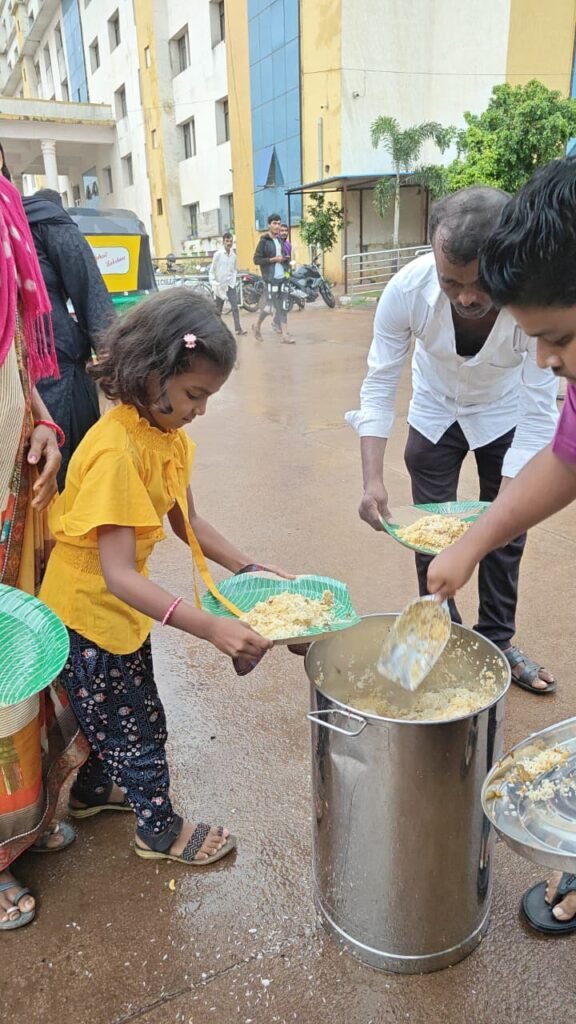
The 5 Essential Questions for Any Charity in 2026
Asking these questions will help you cut through the noise and identify partners who are genuinely creating sustainable change.
1. What Is Your Primary Impact Metric, and How Do You Track It?
Every effective charity in 2026 must move beyond output metrics (e.g., “we served 10,000 meals”) to outcome-based impact metrics (e.g., “we improved food security for 2,000 families by X%”). This shift is crucial.
- What to Listen For: Look for specific, measurable indicators. A strong charity will clearly articulate its theory of change—how its activities lead directly to the desired social outcome.
- Red Flags: Vague answers like “helping the poor” or “spreading awareness” without concrete data. Reluctance to share monitoring and evaluation reports.
- Example at Reshine Org: Our core impact is dual: Meals Redirected (output) and Carbon Emission Equivalent Saved (environmental outcome). We track every kilogram of food rescued via our digital logistics platform, converting it into meals served and calculating the CO2-equivalent saved from avoided landfill decay, providing donors with a clear, quantifiable impact dashboard.
2. What Percentage of My Donation Directly Fuels Your Programs?
Operational costs are necessary, but transparency about fund allocation is non-negotiable for a modern charity in 2026. The old “overhead is evil” myth is fading, replaced by a focus on effective spending—investing in talent, technology, and systems that maximize impact.
- What to Listen For: A clear breakdown of fund utilization. A healthy ratio (often 75-85%+ on programs) and a justification for administrative and fundraising costs that explains how they strengthen the organization’s capacity.
- Red Flags: Inability to provide a recent annual report or audited financial statement. Pressure to donate without offering this information readily.
- Reshine’s Commitment: We maintain a public-facing financial integrity page. Over 82% of every donation directly supports our food rescue logistics, community outreach, and on-ground operations. We proudly invest the remainder in our donor management systems and skilled team, which allows us to scale our impact efficiently.
3. How Do You Ensure Transparency and Good Governance?
Trust is the currency of modern philanthropy. A credible charity in 2026 will have its governance structures in order and will communicate openly.
- What to Look For:
- A diverse, active, and independent governing board.
- Regularly updated websites with annual reports, financials, and key team members listed.
- Compliance with all regulatory bodies, like the Indian IT Act for NGOs and FCRA if applicable.
- Red Flags: Opaque decision-making, no visible leadership team, or frequent legal/regulatory non-compliance issues.
- How We Operate: Reshine Org’s governance is led by a board of professionals from the social, corporate, and legal sectors. Our 80G and 12A certifications are current, and our annual audited reports are available for download directly from our website, ensuring full accountability to our stakeholders.
4. How Are You Adapting to the Key Challenges of 2026?
The context for social work is always changing. Whether it’s technological disruption, climate change, or economic shifts, a forward-thinking charity in 2026 must demonstrate adaptability and resilience.
- What to Listen For: Concrete examples of innovation. This could be adopting new software for efficiency, pivoting program delivery during a crisis, or upskilling staff.
- Red Flags: A static “we’ve always done it this way” mentality, with no mention of recent improvements or future strategy.
- Reshine’s Approach: We leverage a GPS-enabled logistics platform to optimize food rescue routes in real-time, reducing fuel use and spoilage. We continuously adapt our partner network (hotels, caterers, corporates) based on data analytics to maximize yield and respond to community needs identified through our on-ground surveys.
5. Can You Show Me a Direct Link Between My Contribution and Change?
Personalized impact is the final piece of the puzzle. Donors want to see the thread connecting their generosity to a real-world effect.
- What to Look For: Case studies, impact reports with donor-specific summaries, or options for targeted giving. Some charities offer project-based funding with clear timelines and goals.
- Red Flags: A complete disconnect between donation and outcome, with no feedback loop to the donor.
- Our Promise to You: When you partner with Reshine, we provide an Impact Report that details exactly what your contribution achieved. For example, “Your donation of ₹X,XXX rescued 250 kg of surplus food, providing 1,000 meals to families in [Location] and saving Y kg of CO2 emissions.” We make the impact tangible.
Making Your Decision for a Better 2026
Asking these five questions will place you among the new generation of informed donors who are shaping the future of charity in 2026. This proactive approach ensures your resources—whether corporate CSR funds or personal contributions—are leveraged to their fullest potential. It fosters a culture of accountability and excellence in the social sector, lifting standards and driving meaningful progress against the world’s most pressing issues.
Partner with a Trusted Charity in 2026
At Reshine Org, we welcome these questions. They are the same standards we hold ourselves to every day as we fight the dual battles of hunger and food waste across India. We believe in a future where no edible food is wasted while people go hungry, and we build that future through transparency, efficiency, and measurable impact.
If you are a CSR manager looking for a scalable, reportable cause, a business seeking to manage event surplus responsibly, or an individual who wants your donation to create immediate environmental and social good, we invite you to see our work in action.
Contact Our Partnership Team to discuss a tailored collaboration.
Let’s reshape the future of giving, together.


It’s really a great and useful piece of info. I am happy that you shared this helpful information with us. Please keep us informed like this. Thank you for sharing.