

- How Restaurants Can Donate Food: The Ultimate Guide
- Debunking the Myths: Addressing Common Concerns
- Why Your Restaurant Should Donate: The Powerful Benefits
- The Legal Framework: How Restaurants Can Donate Food Safely
- The Step-by-Step Guide: How Restaurants Can Donate Food
- What Types of Food Can Restaurants Donate?
- Partnering with Reshine Org: A Turnkey Solution for Restaurants
- Conclusion: From Surplus to Sustenance
- FAQs: How Restaurants Can Donate Food
How Restaurants Can Donate Food: The Ultimate Guide
In India’s vibrant culinary landscape, restaurants face a constant, delicate balancing act: preparing enough fresh food to delight customers, while inevitably managing surplus that can’t be served the next day. This daily reality poses a critical question for every conscientious restaurant owner and manager: Can restaurants donate food?
The answer is a resounding yes—and doing so is not only possible but profoundly beneficial. Far from being a liability, surplus food is an untapped resource for social good. Donating excess food transforms potential waste into nourishment, builds community goodwill, and aligns with sustainable business practices.
At Reshine Org, we partner with restaurants across India to bridge the gap between surplus and scarcity. We’ve seen firsthand how a structured food donation program can become a cornerstone of a restaurant’s operational excellence and social responsibility.
This ultimate guide is designed to demystify the process. We will address common concerns, clarify legal protections, outline the tangible benefits, and provide a clear, step-by-step roadmap for how restaurants can donate food safely, efficiently, and impactfully.
Debunking the Myths: Addressing Common Concerns
Let’s start by clearing the air. Many restaurants hesitate due to misconceptions. Here are the facts:
- Myth 1: “We’ll be held liable if someone gets sick.”
- Fact: India’s The Food Safety and Standards (Recovery and Distribution of Surplus Food) Regulations, 2019, often called the “Good Samaritan Law” for food, protects donors. If you donate in good faith, following basic safety guidelines, you are protected from liability.
- Myth 2: “It’s too logistically complicated.”
- Fact: Partnering with a registered NGO like Reshine Org simplifies everything. We handle the collection, safe transport, and distribution. Your role is to set aside the surplus.
- Myth 3: “We only have small amounts; it won’t make a difference.”
- Fact: Every meal counts. Consistent donations, even from one restaurant, can reliably support a local shelter or community center. Small streams create a mighty river.
Why Your Restaurant Should Donate: The Powerful Benefits
Understanding how restaurants can donate food begins with understanding the “why.” The benefits extend far beyond waste reduction.
1. Social Impact & Community Connection:
- Directly Alleviate Hunger: Your kitchen directly feeds vulnerable individuals and families in your own city.
- Build Local Goodwill: Be recognized as a business that cares, strengthening your brand’s reputation and customer loyalty.
- Boost Team Morale: Staff take pride in working for a company that makes a tangible difference, improving retention and workplace culture.
2. Operational & Financial Advantages:
- Reduce Waste Disposal Costs: Less food in the bin means lower garbage collection fees.
- Claim Tax Benefits: Donations to registered NGOs are eligible for tax benefits under Section 80G of the Income Tax Act.
- Streamline Inventory: A donation routine encourages better tracking of surplus, leading to more efficient purchasing and prep.
3. Environmental Sustainability:
- Lower Carbon Footprint: Food in landfills produces methane, a potent greenhouse gas. Donation is the highest form of food waste hierarchy.
- Conserve Resources: You save all the water, energy, and labour that went into producing that food, maximising its intended purpose.
The Legal Framework: How Restaurants Can Donate Food Safely
India has a supportive legal framework. Key points from the 2019 Regulations:
- Liability Protection: Donors are not liable for any foodborne illness as long as the food was donated in good faith, was fit for consumption when donated, and the donor informed the NGO of its nature and condition.
- Basic Safety Standards: Food should be segregated and stored properly (e.g., in clean containers, maintaining safe temperatures) before handover.
- Partner with Registered Organizations: For full protection and impact, donate to FSSAI-registered NGOs like Reshine Org that follow robust food safety protocols.
The Step-by-Step Guide: How Restaurants Can Donate Food
Here is a practical, actionable roadmap to start your donation journey.
Step 1: Internal Assessment & Planning
- Identify Surplus: What type of food do you typically have left? (e.g., prepared meals, untouched buffet items, bread, fresh produce).
- Designate a Champion: Assign a staff member to lead the initiative.
- Establish Protocols: Create simple guidelines for segregating and storing surplus food in your kitchen (using clean containers, rapid chilling if needed).
Step 2: Find the Right NGO Partner
This is the most crucial step. Look for a partner that makes the process seamless.
- Criteria: Seek an organization that is FSSAI-registered, has reliable logistics (refrigerated vehicles), provides pick-up on your schedule, and offers documentation (donation receipts for tax purposes).
- The Reshine Model: We provide restaurants with a dedicated point of contact, scheduled pick-ups, hygiene-compliant packaging, and real-time tracking of the food’s journey to beneficiaries.
Step 3: Implement Safe Handling Procedures
- Segregate: Keep surplus food separate from waste immediately.
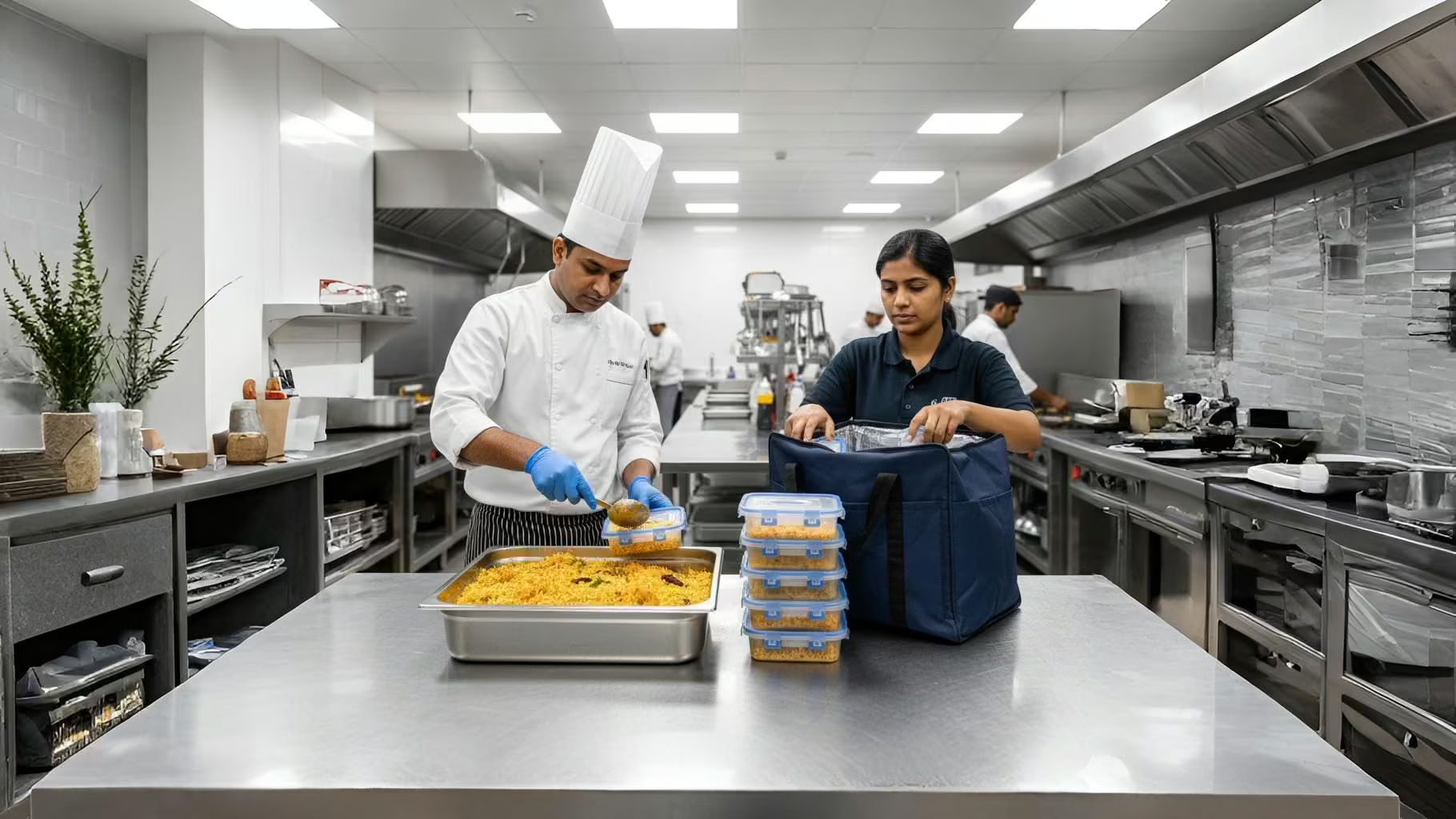
- Pack Safely: Use food-grade containers. Label with contents and time of packing.
- Maintain Temperature: Keep hot food hot and cold food cold until pick-up. We provide guidance and, if needed, equipment support.
Step 4: Handover & Documentation
- Scheduled Pick-up: Your NGO partner collects the food at an agreed time.
- Receive Documentation: Always get a signed donation receipt detailing the quantity/type of food donated. This is your record for tax benefits.
Step 5: Communicate & Celebrate
- Tell Your Story: Share your initiative with customers (on menus, social media). It inspires others and builds your brand.
- Recognize Your Team: Acknowledge the staff involved. Share impact reports from your NGO partner showing how many meals were created.
What Types of Food Can Restaurants Donate?
Almost any surplus that is safe and wholesome can be donated:
- Prepared Meals: Unsold but perfectly safe dishes from the day’s service.
- Buffet Surplus: Untouched food from buffet counters.
- Bakery & Pastry Items: Bread, rolls, pastries from the day.
- Fresh Produce: Excess fruits, vegetables, and salads.
- Packaged Ingredients: Unopened, non-expired ingredients (cereals, pulses, sauces).
Partnering with Reshine Org: A Turnkey Solution for Restaurants
We have streamlined the process so your team can focus on what they do best: running a great restaurant.
How Our Partnership Works:
- Initial Consultation: We understand your kitchen’s flow and surplus patterns.
- Customized Plan: We set a convenient pick-up schedule and provide training/hygiene kits.
- Seamless Execution: Our trained volunteers/staff collect the food in hygienic containers during the agreed window.
- Transparent Impact: You receive donation receipts and regular impact reports showing the communities your food has nourished.
- Recognition: We proudly feature our partner restaurants and celebrate your contribution.
Conclusion: From Surplus to Sustenance
The question is no longer “Can restaurants donate food?” but “How can we start today?” Donating surplus food is a powerful, practical, and rewarding strategy that defines a modern, responsible business.
It turns an operational challenge into a source of pride, community leadership, and environmental stewardship. By taking this step, you ensure that the care and craftsmanship that go into your food extend to nourishing those who need it most.
Your Next Step: Transform Your Surplus into Smiles
Ready to implement a meaningful, hassle-free food donation program? Let Reshine Org be your guide and partner.
Schedule a Free, No-Obligation Consultation with our Restaurant Partnership Team. We’ll assess your needs and outline a simple, custom plan.
Schedule Your Free Consultation Now
Join the movement of restaurants that feed people, not landfills.
Become a Reshine Food Donor Partner
Nourish Your Community. Build Your Legacy.
FAQs: How Restaurants Can Donate Food
Is it legal for restaurants to donate leftover food in India?
Yes, it is both legal and encouraged. Restaurants are protected under India’s Food Safety and Standards (Recovery and Distribution of Surplus Food) Regulations, 2019. This “Good Samaritan” law shields donors from liability when they donate in good faith and follow basic food safety guidelines.
What types of food can restaurants typically donate?
Restaurants can donate a wide variety of surplus food, including:
- Prepared, unsold meals from the day’s service.
- Untouched surplus from buffet counters.
- Day-old bakery items like bread and pastries.
- Excess fresh fruits, vegetables, and salads.
- Unopened, non-expired packaged ingredients (cereals, pulses, sauces).
What are the tax benefits for restaurants that donate food?
Restaurants that donate to registered NGOs like Reshine Org are eligible for tax benefits under Section 80G of the Income Tax Act. You will receive a formal donation receipt for the fair market value of the food donated, which can be claimed as a deduction.
How do we ensure the donated food is safe for consumption?
Safety is managed through simple, standardized protocols:
- Segregate surplus food from waste immediately after service.
- Store it properly in clean, food-grade containers.
- Maintain safe temperatures (keep hot food hot, cold food cold) until pick-up.
- Partner with an FSSAI-registered NGO (like Reshine) that uses hygienic handling, timely transport (often with chilled vehicles), and distributes food quickly to ensure safety and quality.
What is the first step to start a food donation program?
The simplest first step is to conduct a brief internal assessment of what and how much surplus food you generate, then reach out to a professional food rescue organization. At Reshine Org, we begin with a free, no-obligation consultation to understand your kitchen’s flow, provide training materials, and set up a convenient pick-up schedule that integrates seamlessly with your operations.