
Table of Contents
Food Waste in Karnataka: Shocking Facts and Simple Solutions
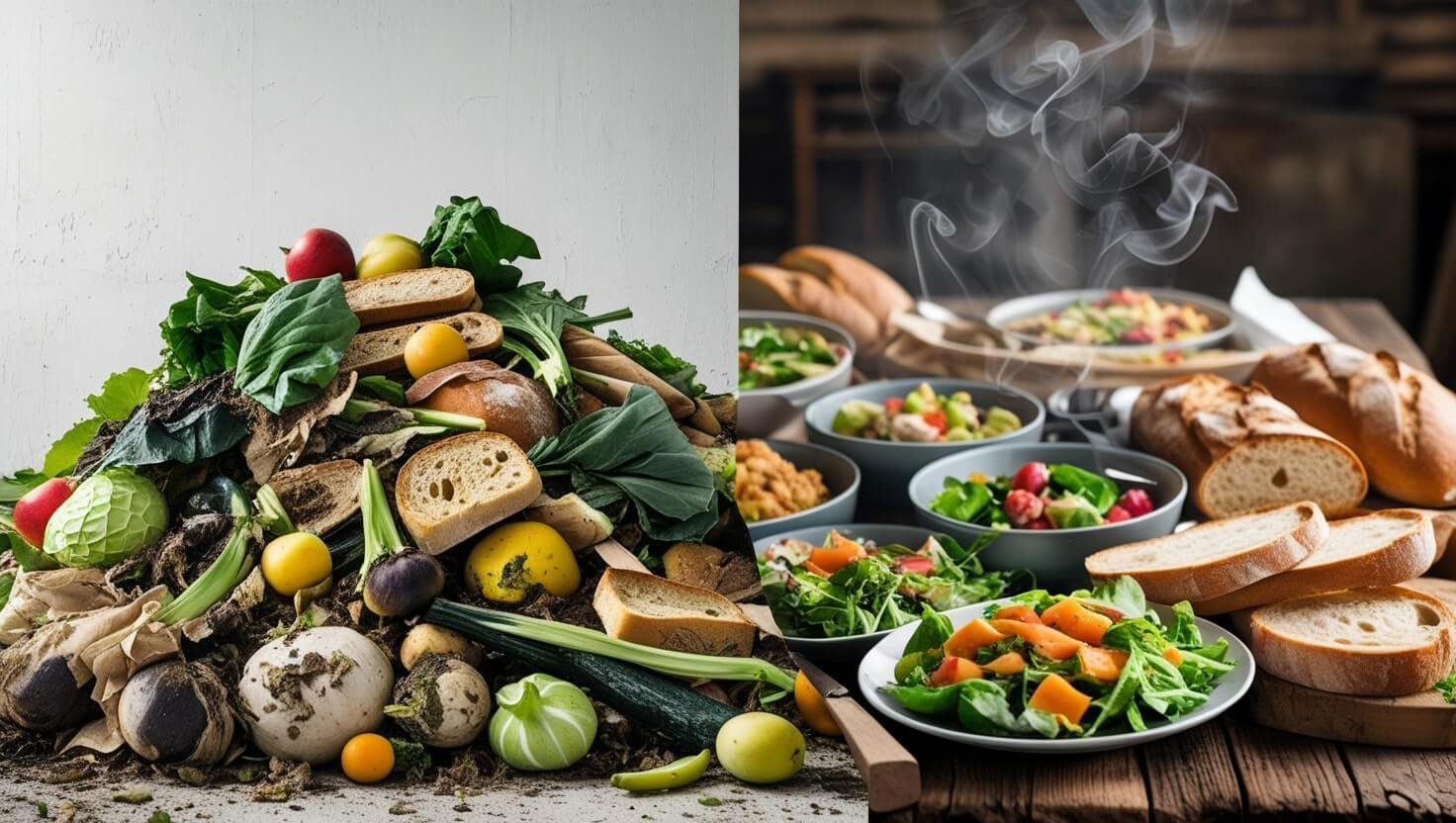
Imagine a bustling wedding hall in Bengaluru. Tables groan under the weight of delicious meals. Now, imagine a child in a nearby settlement, going to sleep with an empty stomach. For Food waste in Karnataka, these two realities exist side-by-side, separated by a shocking gap of waste and need. Every day, perfectly edible food is discarded by hotels, caterers, corporate canteens, and events, while millions face hunger and malnutrition.
At Reshine Org, we witness this paradox daily. As an NGO dedicated to redistributing surplus food to those in need, we believe awareness is the first step toward change. This blog post sheds light on the critical issue of food waste in Karnataka, presents actionable solutions, and shows how your partnership can turn excess into hope.
Understanding the Scale: Food Waste in Karnataka is a Crisis
The problem of food waste in Karnataka isn’t just about a few leftover plates. It’s a systemic issue with severe environmental, economic, and social consequences. While India ranks high globally in food waste, Karnataka, as a major economic and agricultural hub, contributes significantly to this statistic.
The reasons are complex, spanning from farm to fork. Losses occur during harvesting, storage, and transportation. In urban centers like Bengaluru, Mysuru, and Mangaluru, large-scale waste is generated at the consumption level—in lavish weddings, corporate events, hotels, and restaurants.
Shocking Facts About Food Waste in Karnataka
Let’s look at the numbers that paint a clear, and alarming, picture:
- Mountains of Waste: Reports suggest that Bengaluru alone generates over 3,000 tonnes of solid waste daily, a significant portion of which is organic and compostable food waste.
- The Wedding Feast Factor: A single large wedding in the state can waste enough food to feed hundreds of people for a day.
- Hotel and Restaurant Contribution: The hospitality industry is a major contributor. Perfectly safe, untouched food is often discarded due to buffet policies, over-preparation, and aesthetic standards.
- Environmental Toll: When food rots in landfills, it produces methane, a greenhouse gas 25 times more potent than carbon dioxide. Food waste in Karnataka directly fuels climate change.
- Economic Loss: Wasted food means wasted resources—water, land, energy, and labor used in production. This represents a massive economic drain on the state.
- The Hunger Paradox: Despite this surplus, Karnataka continues to battle hunger. According to various reports, a concerning percentage of children and adults in the state suffer from malnutrition and food insecurity.
These facts are not just statistics; they represent a profound failure in our food systems and a missed opportunity for compassion.
The Ripple Effect of Food Waste in Karnataka
The impact of this waste extends far beyond the landfill.
- Environmental Damage: As mentioned, landfill methane emissions accelerate global warming. The water and carbon footprint of wasted food is staggering.
- Resource Depletion: Wasting food squanders precious freshwater and fertile agricultural land that a populous state like Karnataka can ill afford to lose.
- Social Inequity: The stark contrast between extravagant waste and pervasive hunger highlights deep social and economic divides, undermining collective progress.
Simple, Powerful Solutions to Food Waste in Karnataka
The good news? Solutions exist, and they are implementable. Tackling food waste in Karnataka requires a collaborative effort. Here’s what different stakeholders can do:
For Businesses, Hotels & Event Managers:
- Audit Your Waste: Start by measuring what and how much you throw away. Awareness leads to better planning.
- Adopt Smarter Practices: Train kitchen staff on inventory management and portion control. Embrace a “cook-to-order” model where possible.
- Partner with a Food Recovery NGO: This is the most direct and impactful solution. Instead of sending surplus to the bin, let it serve a purpose.
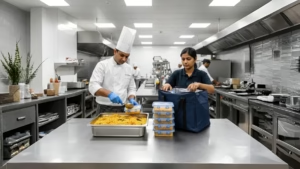
- How Reshine Org Helps: We provide a reliable, hygienic, and systematic channel for your surplus food. Our trained volunteers collect excess food from your premises, following strict FSSAI-compliant safety protocols, and distribute it to a network of shelters, orphanages, and communities in need.
For Compassionate Individuals and Families:
- Plan Smartly: Create shopping lists, understand expiry dates (“best before” vs “use by”), and store food correctly to maximize freshness.
- Embrace Leftovers: Get creative with recipes to use leftover food. Practice “first in, first out” in your kitchen.
- Support and Advocate: Choose to host events with caterers who have a food donation policy. Support restaurants that practice sustainability. Raise awareness in your community.
The Role of Policy and Innovation:
- Support for Food Recovery Networks: Stronger policies that encourage and protect food donors are crucial.
- Technology for Redistribution: Apps and platforms that connect donors with NGOs and beneficiaries can streamline the process, an area where Reshine is continually innovating.
- Composting at Scale: For food that is truly unfit for consumption, large-scale composting and biogas generation present an eco-friendly alternative to landfills.
How Reshine Org Tackles Food Waste in Karnataka
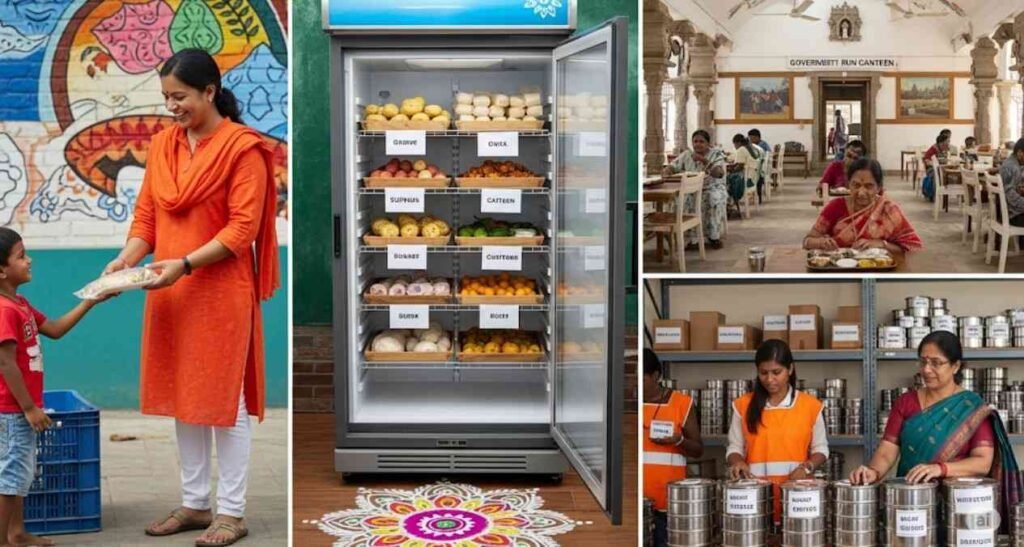
At Reshine Org, we don’t just talk about solutions; we execute them every day. Our model is built on efficiency, safety, and dignity.
- Surplus Identification: We partner with businesses, wedding halls, caterers, and corporate offices to identify reliable sources of surplus food.
- Safe & Hygienic Collection: Our trained team arrives with clean, food-grade containers, following all safety standards to collect the excess food.
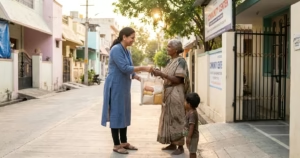
- Swift Transportation & Distribution: Using dedicated vehicles, the food is quickly transported to our partner NGOs, night shelters, orphanages, and low-income communities.
- Creating Impact: We ensure that nutritious meals reach the plates of those who need them most—children, the elderly, daily wage workers, and families in crisis.
We turn your food waste in Karnataka into a source of nutrition, hope, and community strength.
Conclusion: From Waste to Worth, Together
The facts about food waste in Karnataka are shocking, but they are not irreversible. The solutions are simple, practical, and deeply humane. It’s about seeing surplus not as waste, but as a resource. It’s about recognizing that the food we casually discard can be the very thing that saves a life, nourishes a child, or empowers a family.
This is where your role becomes pivotal. Whether you are a CSR manager looking for a high-impact, sustainable cause, a business owner wanting to reduce your environmental footprint and serve the community, or a compassionate individual seeking to make a difference, you can be part of this transformation.
Let’s end the cycle of waste and hunger together. Partner with Reshine Org to ensure your surplus food creates a real, measurable impact.
- For Businesses & CSR Leaders: Transform your surplus into social good. Partner with us for a structured, transparent, and impactful food redistribution program. We provide detailed impact reports to showcase your commitment to sustainability and social responsibility.
- For Everyone: Start the conversation today.
Visit our website at reshineorg.com to learn more about our work. To see the tangible difference a partnership can make, download our detailed Impact Report and discover how we are turning the tide on food waste in Karnataka, one meal at a time.
Together, we can reshape our future—from one of waste to one of nourishment for all.