
- How to Empower Youth Through Community Giving: A Complete Guide
- Understanding Youth Empowerment
- Why Community Giving Empowers Youth
- How Community Giving Programs Empower Youth
- The Role of NGOs in Empowering Youth
- How You Can Support Youth Empowerment Through Community Giving
- Success Stories: Youth Making a Difference
- Frequently Asked Questions
- Conclusion
How to Empower Youth Through Community Giving: A Complete Guide
India is home to one of the largest youth populations in the world. Over 65% of the country’s population is under 35. This demographic dividend is a tremendous asset—but only if young people are given the right opportunities to grow, lead, and contribute.
Community giving offers a powerful pathway for youth empowerment. When young people engage in volunteer work, social initiatives, and community service, they develop skills, build confidence, and discover their potential. At the same time, they strengthen their communities and create positive change.
This guide explores how community giving can empower youth and how you can support this transformative process.
Understanding Youth Empowerment
Youth empowerment is about equipping young people with the skills, resources, and confidence to take charge of their lives and make a positive impact. It involves creating an environment where young people can:
- Develop skills: Communication, leadership, problem-solving, and teamwork.
- Build confidence: Through achievement and recognition.
- Access opportunities: Education, employment, and entrepreneurship.
- Participate in decision-making: Having a voice in matters that affect them.
- Contribute to society: Making a difference in their communities.
Empowered youth become agents of change. They are not passive recipients of services but active participants in building a better world.
Why Community Giving Empowers Youth
Community giving—volunteering, philanthropy, and social service—offers a unique space for youth development. Here is why it matters.
1. Develops Real-World Skills
Classrooms teach theory. Community giving teaches practice. When young people volunteer, they learn skills that no textbook can provide.
Skills Gained Through Community Giving
| Skill Area | How It Develops |
|---|---|
| Communication | Interacting with diverse people, explaining ideas, listening |
| Leadership | Taking initiative, coordinating teams, making decisions |
| Problem-Solving | Addressing real challenges with limited resources |
| Empathy | Understanding the needs and perspectives of others |
| Project Management | Planning, executing, and evaluating initiatives |
| Teamwork | Collaborating with peers and adults toward shared goals |
These skills are valued by employers, universities, and communities. They prepare young people for success in all areas of life.
2. Builds Confidence and Self-Esteem
Many young people struggle with self-doubt. They question their abilities and their place in the world. Community giving changes this.
When a young person organizes a food drive, tutors a struggling student, or leads a cleanliness campaign, they see the direct results of their efforts. This tangible impact builds confidence. They realize they can make a difference—and that realization is transformative.
A Real Example
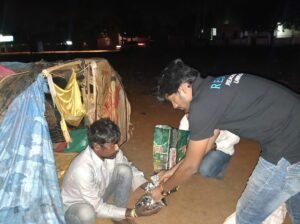
Reshine Organisation’s youth-led model demonstrates this. The organization is youth-led and community-driven, with young volunteers managing food rescue operations, distribution, and awareness campaigns. These young people develop leadership skills while serving their communities.
3. Creates a Sense of Purpose
Young people today seek meaning. They want their lives to matter. Community giving provides this sense of purpose.
When youth connect with causes they care about—hunger, education, environment, or health—they find a mission larger than themselves. This purpose motivates them, guides their choices, and gives them direction.
4. Expands Networks and Opportunities
Community giving connects young people with mentors, peers, and professionals they might not otherwise meet. These connections open doors to education, internships, and employment.
Volunteering also builds a track record. A young person who has led community initiatives stands out in college applications and job interviews. They demonstrate initiative, commitment, and social awareness.
5. Fosters Civic Responsibility
Community giving teaches young people that they are part of something larger. They learn about social issues, understand the challenges facing their communities, and develop a commitment to civic participation.
This civic responsibility extends beyond volunteering. It shapes how young people engage with society—as informed citizens, engaged voters, and active community members.
How Community Giving Programs Empower Youth
Various models of community giving can empower youth. Here are some effective approaches.
1. Youth Volunteer Programs
Youth volunteer programs engage young people in service activities. They range from one-day events to long-term commitments.
Types of Youth Volunteer Programs
- Food rescue and distribution: Collecting surplus food and delivering it to those in need.
- Tutoring and mentoring: Helping younger students with academics and life skills.
- Environmental campaigns: Clean-ups, tree planting, and awareness drives.
- Health and hygiene initiatives: Sanitation drives, health camps, and awareness campaigns.
- Community events: Organizing festivals, sports days, and cultural programs.
Best Practices
- Provide clear roles and responsibilities.
- Offer training and orientation.
- Ensure safety and supervision.
- Recognize and celebrate contributions.
- Create pathways for increasing responsibility.
2. Youth Leadership Programs
Leadership programs go beyond volunteering. They develop young people’s capacity to lead initiatives and organizations.
Components of Effective Leadership Programs
- Skill-building workshops: Communication, project management, fundraising, and advocacy.
- Mentorship: Pairing youth with experienced mentors.
- Hands-on projects: Leading real initiatives with real outcomes.
- Peer learning: Sharing experiences and learning from each other.
- Reflection: Regular opportunities to process experiences and learn from them.
Real Example
Reshine Organisation operates a youth-led model. Young leaders manage food rescue operations at BRIMS Government Hospital in Bidar, serving 600 meals daily. They coordinate volunteers, manage logistics, and ensure food safety. This hands-on leadership experience is invaluable.
3. School and College Clubs
Educational institutions are natural hubs for youth empowerment. Clubs focused on community service, social justice, and sustainability can engage students in meaningful ways.
Types of Clubs
- Interact and Rotary clubs: Service-oriented clubs for youth.
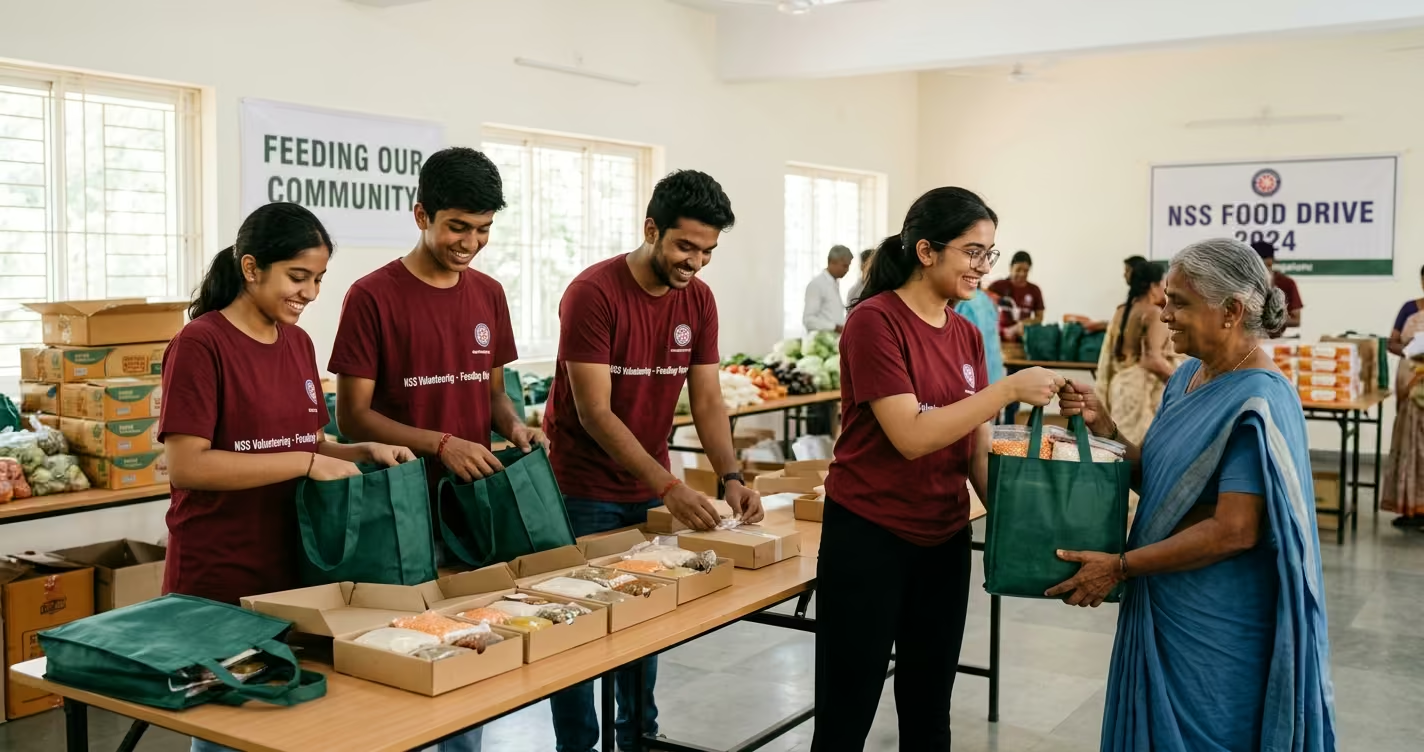
- NSS (National Service Scheme): Government program promoting community service.
- Eco clubs: Environmental awareness and action.
- Social service clubs: Focused on local community needs.
How to Start a Club
- Identify interested students and a faculty advisor.
- Define the club’s mission and activities.
- Create a calendar of events.
- Partner with local NGOs for support.
4. Youth Social Entrepreneurship
Social entrepreneurship empowers youth to create sustainable solutions to social problems. Young entrepreneurs launch ventures that generate income while addressing social needs.
Examples of Youth Social Enterprises
- Food rescue startups: Collecting surplus food and distributing it.
- Upcycling businesses: Transforming waste into useful products.
- Urban farming ventures: Growing and selling fresh produce.
- Skill-training enterprises: Teaching vocational skills to underserved communities.
Support Needed
- Mentorship from experienced entrepreneurs.
- Access to seed funding and incubators.
- Networking opportunities.
- Legal and financial guidance.
5. Youth Philanthropy and Giving Circles
Youth philanthropy programs teach young people about giving. They learn to evaluate organizations, make grant decisions, and understand social issues.
How It Works
- Young people pool their resources—or receive funds from a sponsoring organization.
- They research and evaluate potential grant recipients.
- They make collective decisions about where to give.
- They follow up to learn about the impact of their giving.
Benefits
- Builds financial literacy and philanthropy skills.
- Develops critical thinking and decision-making.
- Connects youth to social issues.
- Fosters a lifelong habit of giving.
The Role of NGOs in Empowering Youth
NGOs like Reshine Organisation play a crucial role in youth empowerment. They provide platforms, mentorship, and resources that young people need to grow.
How NGOs Support Youth
- Create volunteer opportunities: Provide structured roles for young people to contribute.
- Offer training and mentorship: Build skills and confidence.
- Involve youth in leadership: Give young people real responsibility.
- Recognize achievement: Celebrate youth contributions publicly.
- Provide pathways: Connect youth to further education, employment, and entrepreneurship.
Reshine’s Youth-Led Approach
Reshine Organisation is a youth-led NGO. Young people are not just volunteers; they are leaders, decision-makers, and drivers of our mission. Our model demonstrates that when young people are trusted with responsibility, they rise to the occasion.
How You Can Support Youth Empowerment Through Community Giving
Whether you are a parent, educator, employer, or community leader, you can play a role in empowering youth through giving.
For Individuals
Volunteer with Youth-Focused Organizations
Find local NGOs that engage young people and offer your time as a mentor, trainer, or support person.
Sponsor Youth Programs
Donate to organizations that run youth leadership, volunteering, or skill-building programs.
Be a Mentor
Offer to mentor a young person. Share your experience and help them navigate challenges.
Create Opportunities
If you run a business, offer internships, apprenticeships, or job shadowing opportunities to young people.
For Schools and Colleges
Integrate Community Service into the Curriculum
Make volunteering part of the educational experience. Give credit for service hours.
Support Student Clubs
Provide resources and guidance for student-led community initiatives.
Partner with Local NGOs
Create structured programs for student volunteering and leadership development.
For Employers
Encourage Youth Volunteering
Give young employees time off for community service. Recognize their contributions.
Support Youth Skill Development
Offer training, internships, and mentorship to young people in your community.
Partner with Youth Organizations
Collaborate with NGOs that work with young people.
For Policymakers
Invest in Youth Programs
Allocate funding for youth development, volunteering, and leadership programs.
Create Enabling Policies
Simplify regulations for youth-led initiatives. Provide tax incentives for organizations that empower youth.
Engage Youth in Decision-Making
Include young people in local governance and community planning.
Success Stories: Youth Making a Difference
Reshine Organisation
Reshine is a youth-led NGO that runs hunger alleviation programs in Bidar, Karnataka. Young volunteers manage daily operations, from food collection to distribution. They serve 600 meals daily to patients and families at BRIMS Government Hospital. The organization has been recognized as a “Public Hero” by Public TV and has received endorsements from Justice Santosh Hegde and other leaders.
No Food Waste
Founded in Coimbatore in 2014 by two IT professionals, No Food Waste started with two shopping bags and a single volunteer. Today, it operates across Tamil Nadu, Andhra Pradesh, and Telangana with 26 chapters. Young volunteers collect surplus food from events and distribute it to the hungry. The Chennai chapter alone feeds 40,000 people monthly.
Robin Hood Army
This zero-funds volunteer organization runs entirely on youth energy. With over 153 million meals served across 406 cities globally, it demonstrates the power of youth-led action.
Frequently Asked Questions
How does community giving empower youth?
Community giving develops real-world skills, builds confidence, creates a sense of purpose, expands networks, and fosters civic responsibility. Young people learn by doing—organizing initiatives, leading teams, and making a difference.
What is youth empowerment?
Youth empowerment is the process of equipping young people with the skills, resources, and confidence to take charge of their lives and make a positive impact. It involves opportunities for skill development, decision-making, and community contribution.
What types of volunteer programs are available for youth?
Youth volunteer programs include food rescue, tutoring, environmental campaigns, health initiatives, and community events. They range from one-day events to long-term commitments.
How can schools support youth empowerment?
Schools can integrate community service into the curriculum, support student clubs, partner with local NGOs, and create structured programs for volunteering and leadership development.
How can employers support youth empowerment?
Employers can encourage youth volunteering, support skill development through internships and mentorship, and partner with youth organizations.
What role do NGOs play in empowering youth?
NGOs create volunteer opportunities, offer training and mentorship, involve youth in leadership, recognize achievements, and provide pathways to further education, employment, and entrepreneurship.
Conclusion
Youth empowerment through community giving is one of the most powerful investments we can make. It develops skills, builds confidence, and creates a generation of engaged, compassionate citizens.
The path is clear. Join a volunteer program. Start a community garden. Mentor a young person. Support a youth-led initiative. Every action counts. Every young person has potential. Community giving unlocks it.
At Reshine Organisation, we see this potential every day. We are committed to empowering young people through meaningful opportunities to serve, lead, and grow. Join us in this mission.
Let’s Talk About Youth Empowerment
Have questions about empowering youth through community giving? We would love to hear from you.
Connect with us on WhatsApp for a friendly conversation about how you can support the next generation of changemakers. Our team is here to help.