
How to Donate Food to Poor Near You: A Meaningful Guide
The desire to help is often sparked close to home. When you see the need in your own community and have food to share, a simple question arises: “How can I donate food to poor people near me?” This act of direct kindness is powerful. It connects you to your neighbors, reduces local hunger, and ensures surplus food nourishes people instead of filling landfills.
However, the intention to donate food to poor individuals or families must be paired with knowledge. Donating safely, respectfully, and effectively is crucial. It’s about ensuring the food is healthy, reaching those who need it most, and doing no harm in the process.
At Reshine Org, we bridge the gap between surplus food and communities in need across India. While we work systematically with businesses and events, we deeply admire and want to empower individuals like you who want to make a direct difference. This guide is designed to walk you through the practical, safe, and impactful ways you can donate food to poor families and individuals in your locality.
Why Your Local Food Donation Matters
Before we look at the “how,” let’s understand the “why.” Your decision to donate food to poor people in your area creates a ripple effect:
- Immediate Hunger Relief: Provides crucial nutrition to individuals and families facing food insecurity right now.
- Reduces Local Waste: Diverts perfectly good food from your own household or events from ending up in community bins.
- Strengthens Community: Fosters a sense of solidarity, compassion, and shared responsibility.
- Sets a Powerful Example: Inspires others in your network—friends, family, colleagues—to take similar action.
Your Step-by-Step Guide to Donating Food
Navigating the process safely and effectively involves a few key steps. Follow this framework to ensure your contribution is both generous and responsible.
Step 1: Ensure Your Food is Safe to Donate
The cardinal rule of food donation is safety first. Only donate food you would confidently serve to your own family.
What You CAN Safely Donate:
- Dry & Packaged Goods: Unopened packets of rice, dal, flour, sugar, salt, biscuits, etc., well within their “best before” date.
- Sealed & Processed Items: Canned goods, tetra-pack juices/milk, sealed jars of pickles or sauces.
- Fresh Produce: Fresh fruits and vegetables that are firm, ripe, and free of major bruises or spoilage.
- Home-Cooked Food (with extreme caution): Only if you can guarantee it was prepared in a hygienic kitchen, cooled rapidly, and refrigerated promptly. It must be donated on the same day it is cooked.
What You Should NEVER Donate:
- Expired or stale food items.
- Food with torn, damaged, or unsealed packaging.
- Leftovers from a personal meal or party platter.
- Raw meat, fish, or highly perishable dairy products (unless coordinating directly with a skilled organization).
- Food that shows any signs of mold, odd smell, or discoloration.
Step 2: Choose the Right Method to Donate Food to Poor
You have several effective pathways. The best one depends on what you’re donating and how much time you have.
Method A: Partner with a Local NGO or Charity Kitchen
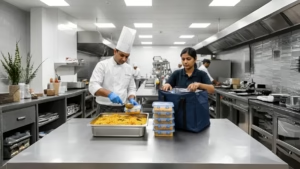
This is often the most effective and scalable method. Organizations like Reshine have the infrastructure to handle, store, and distribute food safely to a large number of people.
- How it works: You drop off your sealed, non-perishable donations at their collection point or check if they have a pickup service for larger quantities.
- Best for: Packaged groceries, bulk dry rations, or larger quantities of food.
- Action: Search online for “food donation NGO near me,” “community kitchen [Your City],” or “midday meal program.”
Method B: Locate a Food Bank or Public Refrigerator (Community Fridge)
Some cities in India have established food banks or community fridge initiatives where anyone can leave or take food anonymously.
- How it works: You place your sealed, ready-to-eat items in the designated, hygienic public space.
- Best for: Packaged snacks, bottled water, sealed fruits.
- Action: Search for “food bank [Your City]” or “community fridge [Your City]” to see if one operates nearby.
Method C: Connect with Places of Worship or Shelter Homes
Local temples, gurudwaras (which often run langars), mosques, churches, orphanages, and homeless shelters frequently accept food donations for their community services.
- How it works: Contact them in advance to understand their specific needs, timing, and any preferences (e.g., vegetarian-only).
- Best for: Dry rations for their pantries or coordinated donations of fresh meals.
Method D: Thoughtful Direct Giving (Proceed with Sensitivity)
If you wish to give directly to an individual or family, it should be done with utmost respect and discretion.
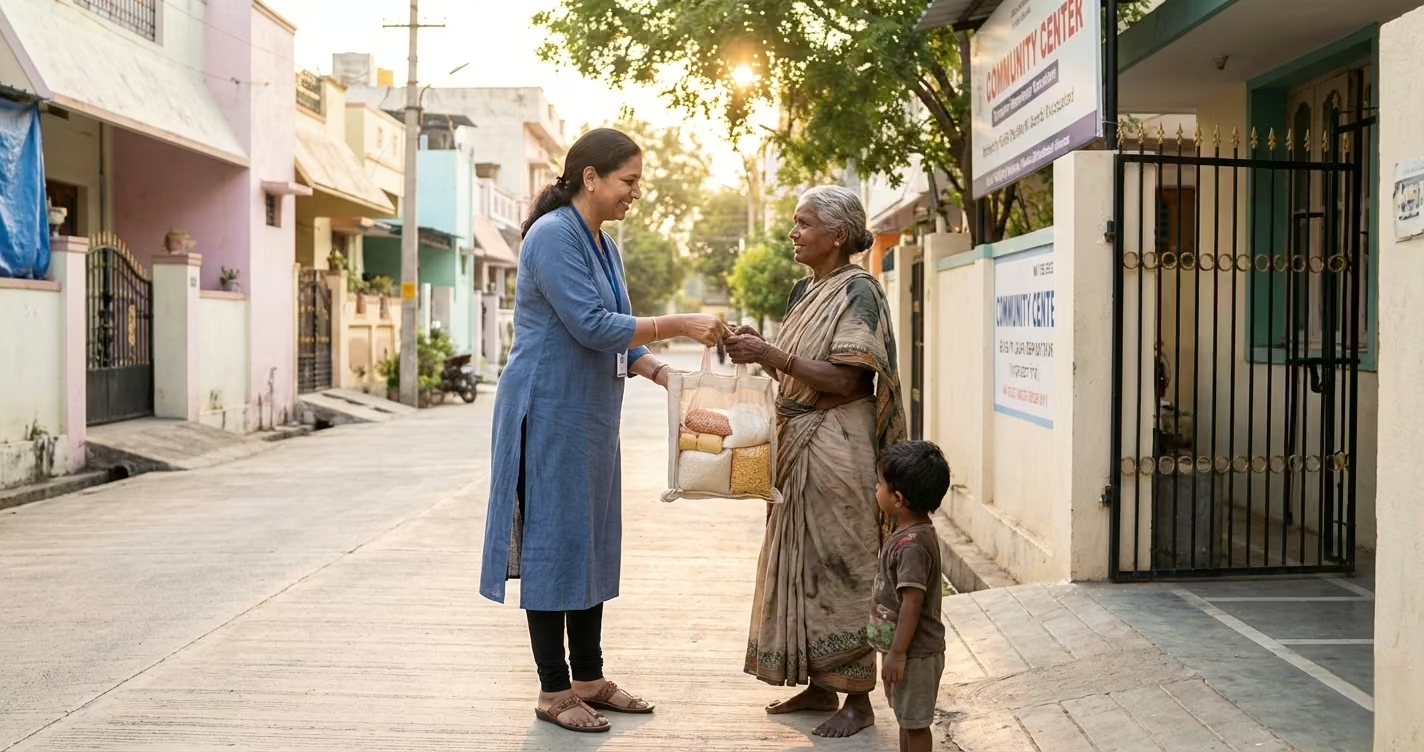
- How to do it respectfully: Offer sealed, packaged items. Be polite and kind. A simple, “Would you accept this?” is better than assuming. Avoid drawing public attention.
- Important: Never give money as a substitute for food unless you are certain of its use. The focus is on providing nutrition.
Step 3: Pack and Transport Your Donation
- Pack Securely: Use clean boxes or bags. Keep different food types separate (e.g., don’t pack heavy cans on top of bread).
- Label if Necessary: For home-cooked food, clearly label the contents and the date/time it was prepared.
- Maintain Temperature: If donating perishable items, transport them in a cooler bag or box to keep them safe.
Going Beyond a One-Time Donation
If you want to make a sustained impact, consider these options:
- Organize a Community Drive: Rally your apartment complex, office, or social club to collect dry rations. Then, partner with a local NGO for a bulk donation.
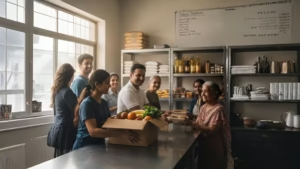
- Volunteer Your Time: The need is often for hands as much as for food. Volunteer at a soup kitchen or with a distribution agency to pack meals.
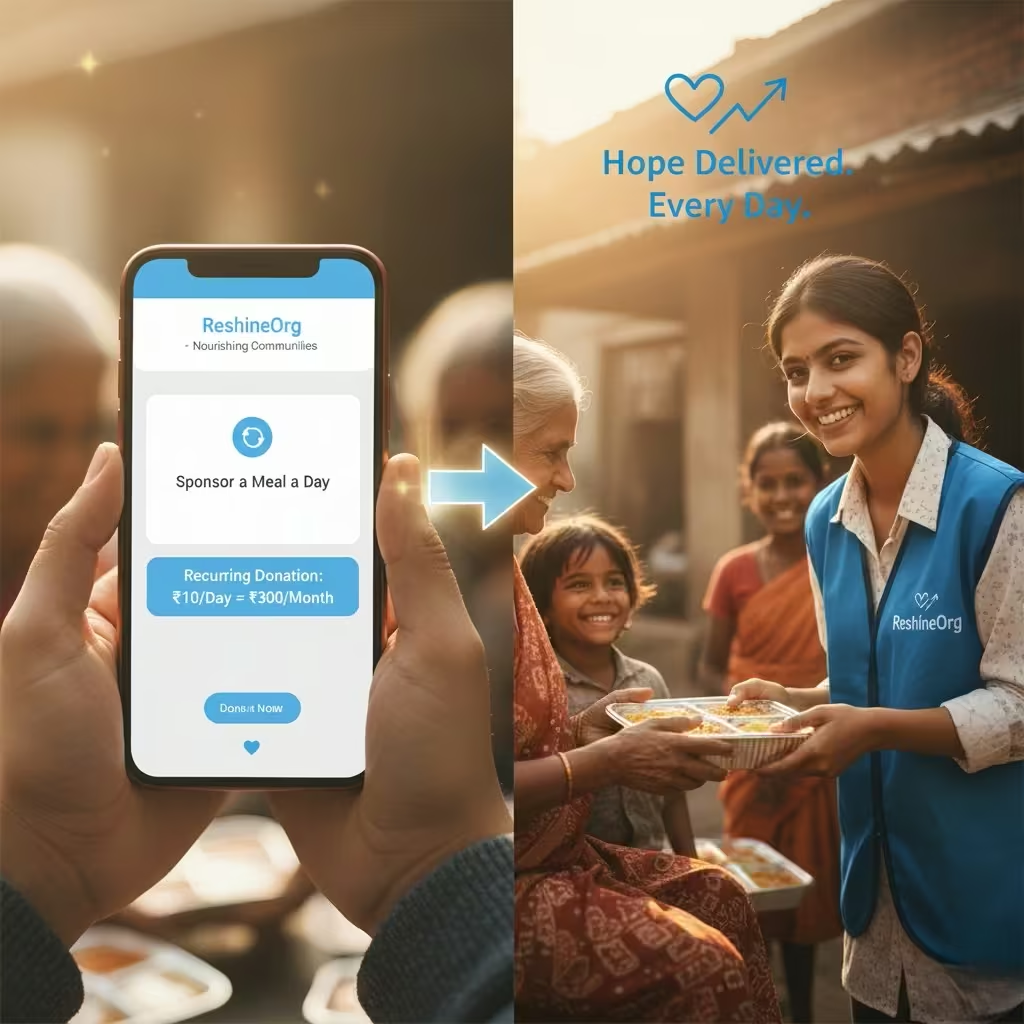
- Support a Professional Food Rescue Organization: For consistent, large-scale impact, support NGOs like Reshine Org. We have the logistics, partnerships, and expertise to rescue surplus food from weddings, canteens, and supermarkets—turning large-scale potential waste into thousands of meals. Your financial donation helps us run these vital systems.
Common Mistakes to Avoid When You Donate Food to Poor
- Donating Unhealthy Food: Avoid junk food, sugary snacks, or highly processed items as primary donations. Aim for nutritious staples.
- Being Inconsistent: A one-time donation is good, but recurring support (even a small monthly bag of groceries to a local shelter) is better for their planning.
- Lack of Coordination: Always call ahead before dropping off food, especially to smaller shelters or kitchens. They may have storage or dietary constraints.
- Ignoring Dignity: The goal is to alleviate hunger with compassion. Treat recipients with the same respect you would want.
Conclusion: Nourish Your Community, One Meal at a Time
The decision to donate food to poor people in your vicinity is a profound expression of empathy and community spirit. By following these steps—prioritizing safety, choosing an effective channel, and acting with respect—you transform a simple act into a powerful force for good.
You become part of the solution, ensuring that no one in your neighborhood goes to bed hungry while good food goes to waste. It’s a tangible way to build a kinder, more nourished community.
Your Next Step: Amplify Your Impact
Whether you have excess groceries at home or want to enable larger-scale food rescue, we can help channel your compassion effectively.
If you have surplus food from an event, a canteen, or a business, partner with Reshine Org. We handle the safe, dignified, and large-scale distribution to those who need it most.
Report Surplus Food for Rescue
See the large-scale impact your support can enable. Learn how we turn systemic food waste into community nourishment.
Donate food. Nourish communities. Build hope.
FAQs
Where can I donate cooked food near me?
Donating cooked food requires extra care. Your best option is to contact local homeless shelters, night shelters, or charity kitchens (langars) directly and before cooking. They can inform you of their specific needs, meal times, and safe-handling protocols. Never leave cooked food out in the open.
Is it better to donate food or money to help the poor?
Both have value. Donating food directly addresses immediate, local needs. Donating money to a reputable food charity like Reshine Org is often more efficient for larger-scale impact. Funds allow organizations to leverage bulk purchasing, operate refrigerated transport, and run systematic programs that reach more people with balanced nutrition. Money also offers flexibility to meet the most urgent needs.
What are the best foods to donate to poor families?
Focus on nutritious, non-perishable staples: Rice, wheat flour (atta), lentils (dal), cooking oil, sugar, salt, and powdered milk. These items form the basis of meals, have a long shelf life, and provide essential calories and nutrients. Avoid donating only biscuits or chips.
Can I get a tax benefit for donating food in India?
Tax benefits under Section 80G are typically for monetary donations to registered NGOs. If you purchase food specifically to donate to a registered charitable institution, keep the purchase bills and the NGO’s receipt. However, for informal food donations to individuals, there is no tax benefit—and that’s okay. The primary reward is the act of giving itself.
How can I find a food bank or NGO that will accept my donation?
Use simple online searches: “Food donation NGO near me,” “Annadaan [Your City],” or “Midday meal program accept donations.” You can also check with your local municipal corporation or ask at nearby places of worship, as they often have connections to trusted networks. Reshine Org operates in multiple cities; you can check our website for locations we serve.